60 years of mannequins as silent witnesses to the retail industry

| Text by: Euroshop

Tags: Retail Design| Mannequin| Euroshop


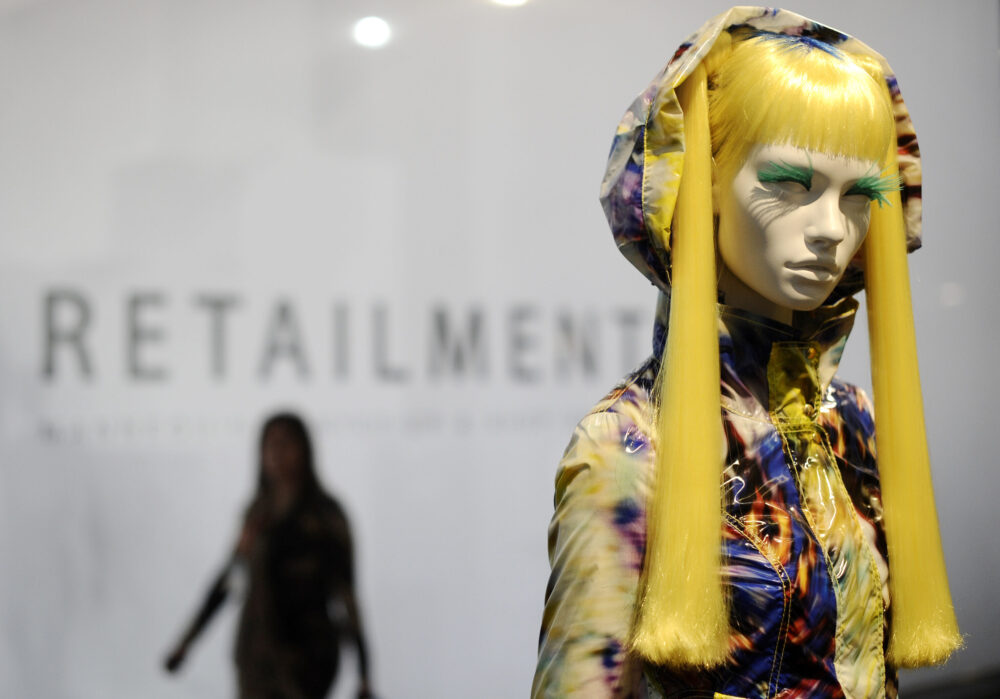
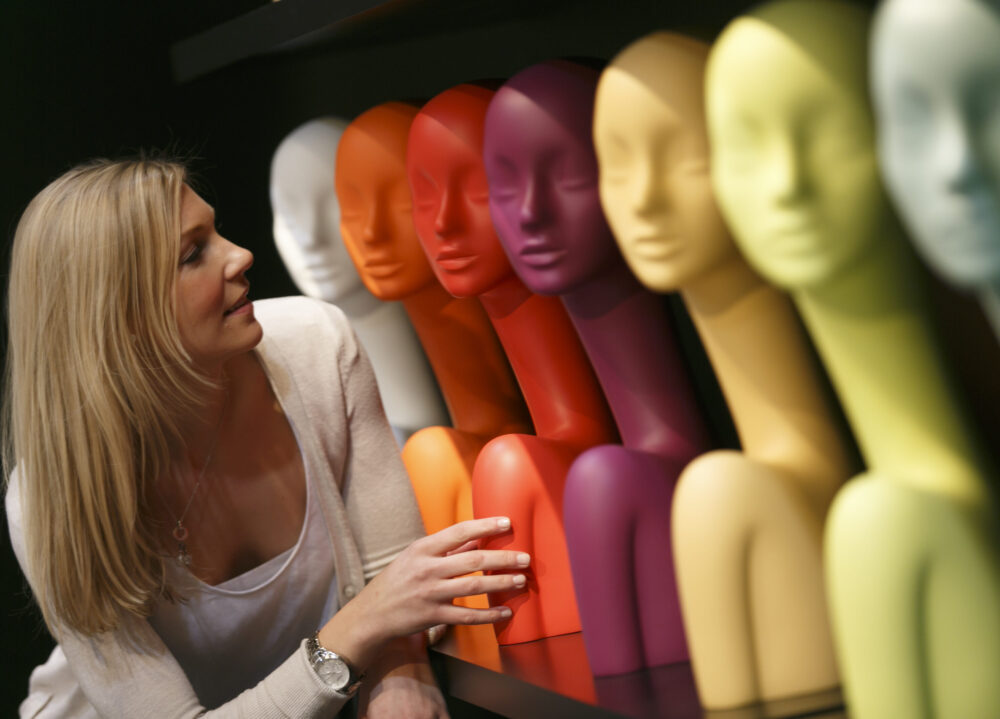
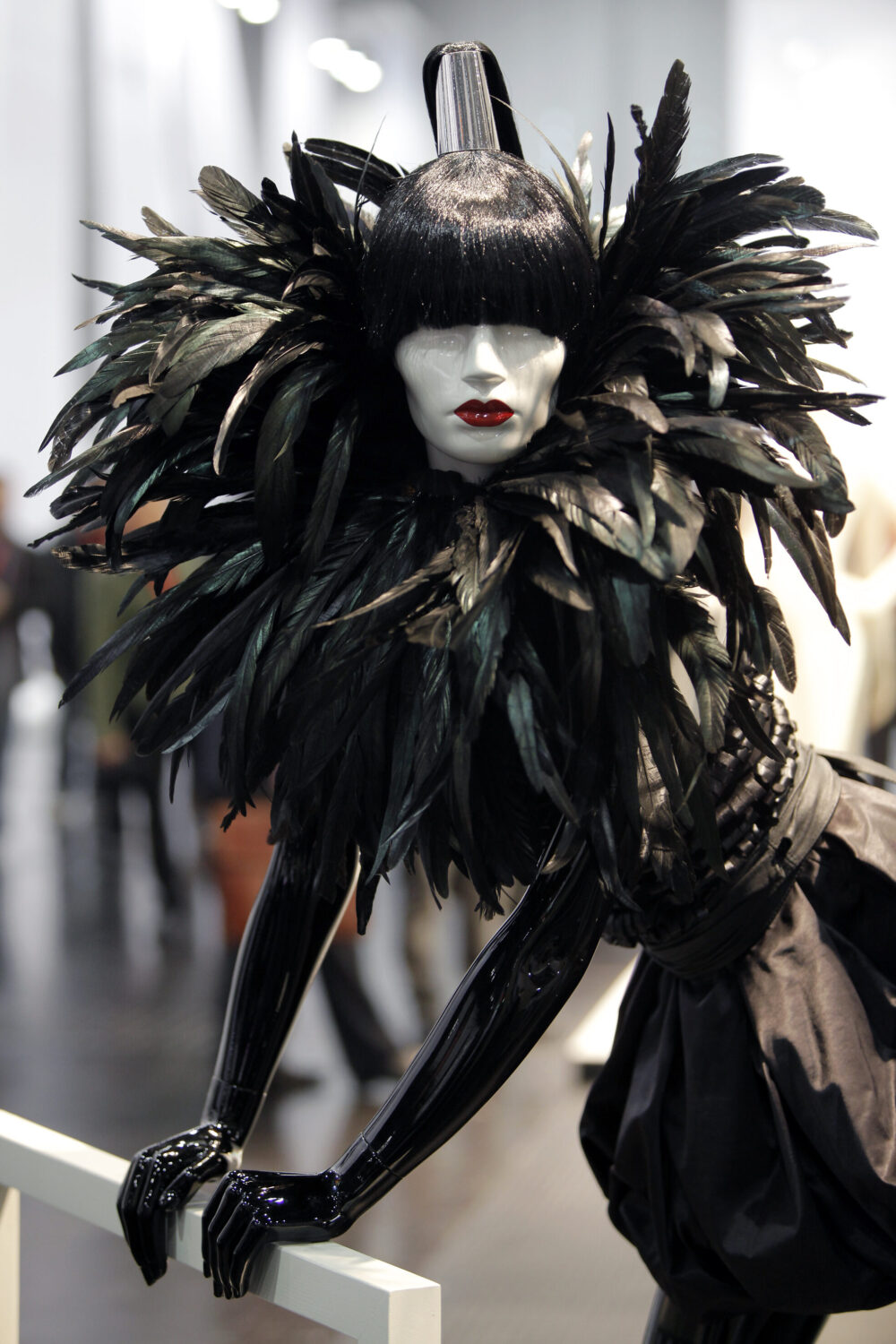
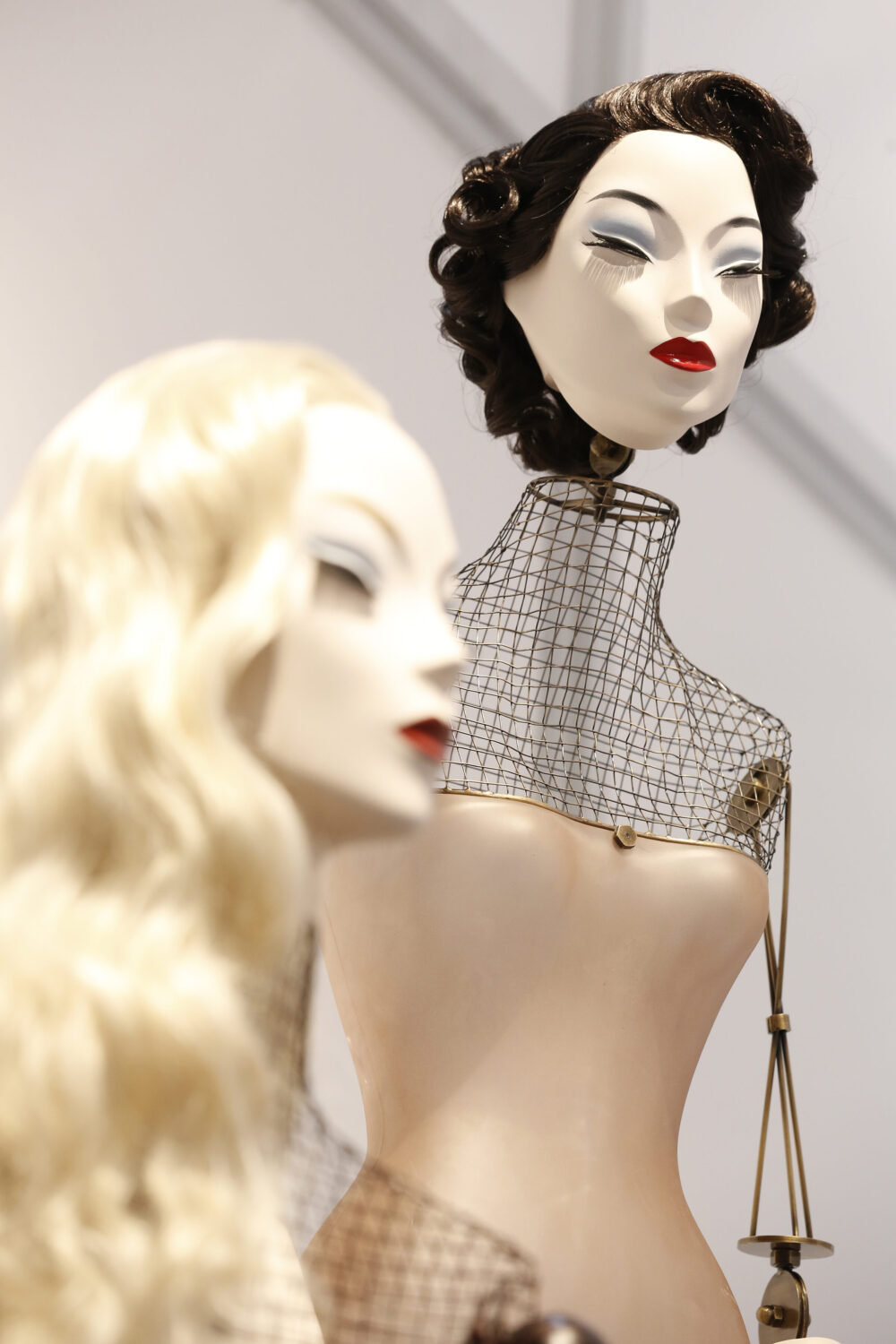
Whether in shop windows or directly in stores, mannequins are the visual ambassadors of every brand. With their latest fashion pieces, matching accessories, creative poses, and designs, they tell a fascinating story—and thus reflect a piece of commercial and social history.


From shopping experience to aesthetic statement

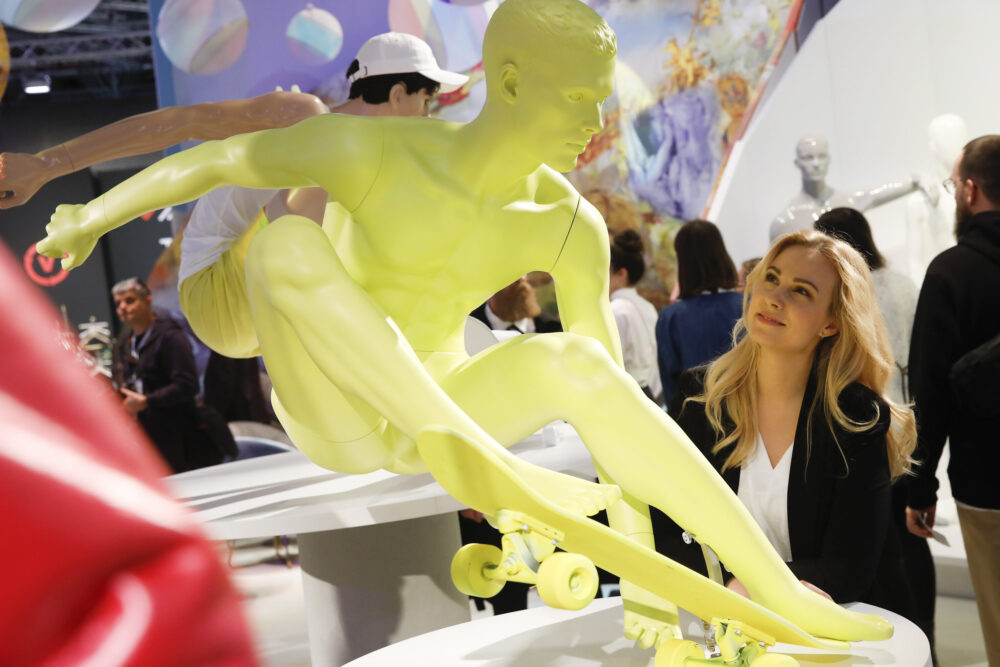
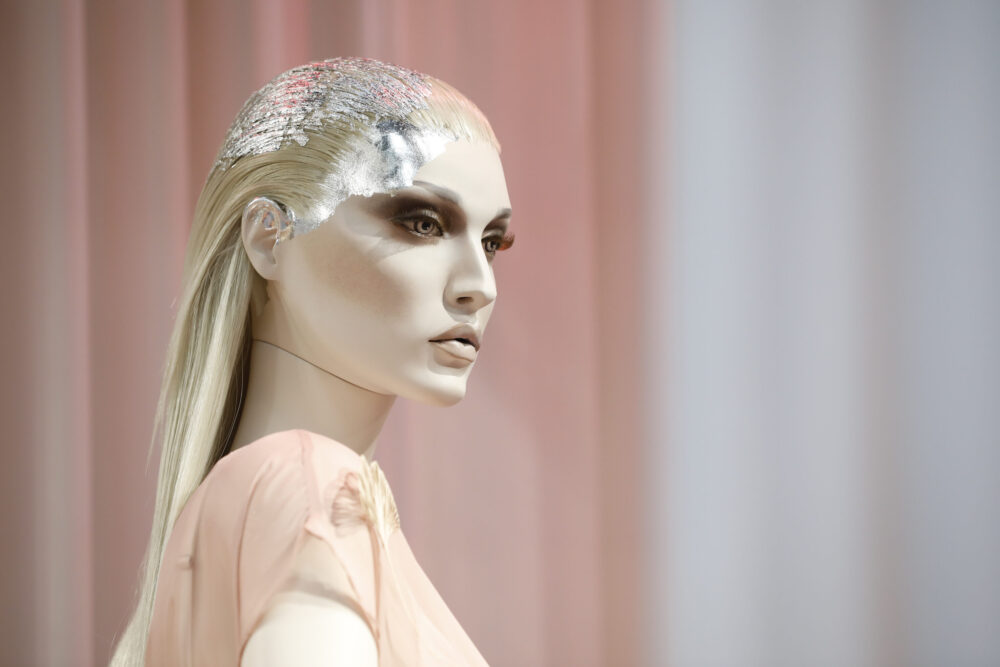
60 years ago, dolls were often rather stiff and uniform; today, however, they deliberately convey values such as diversity, body awareness, and brand identity. This gallery impressively demonstrates:
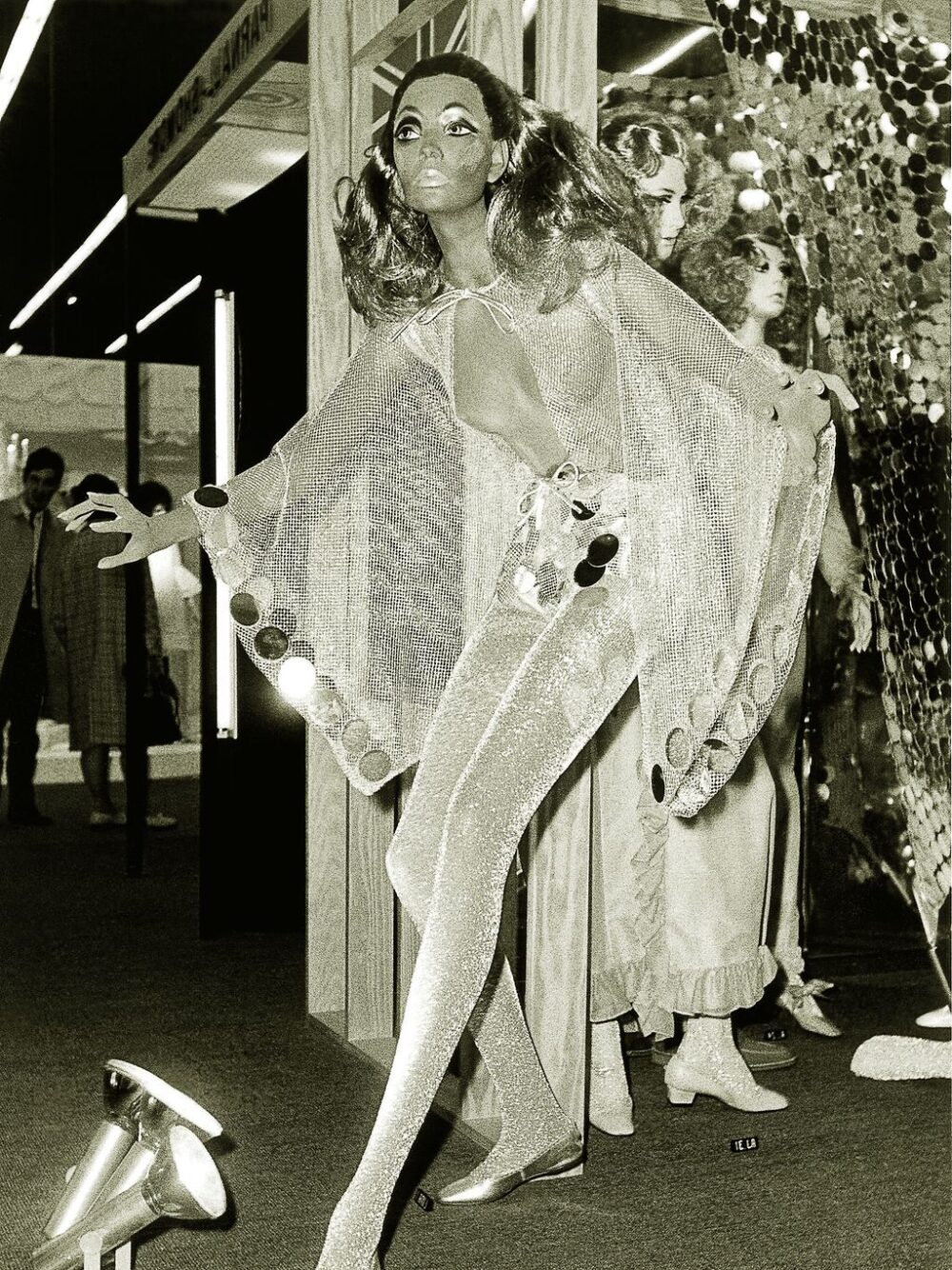
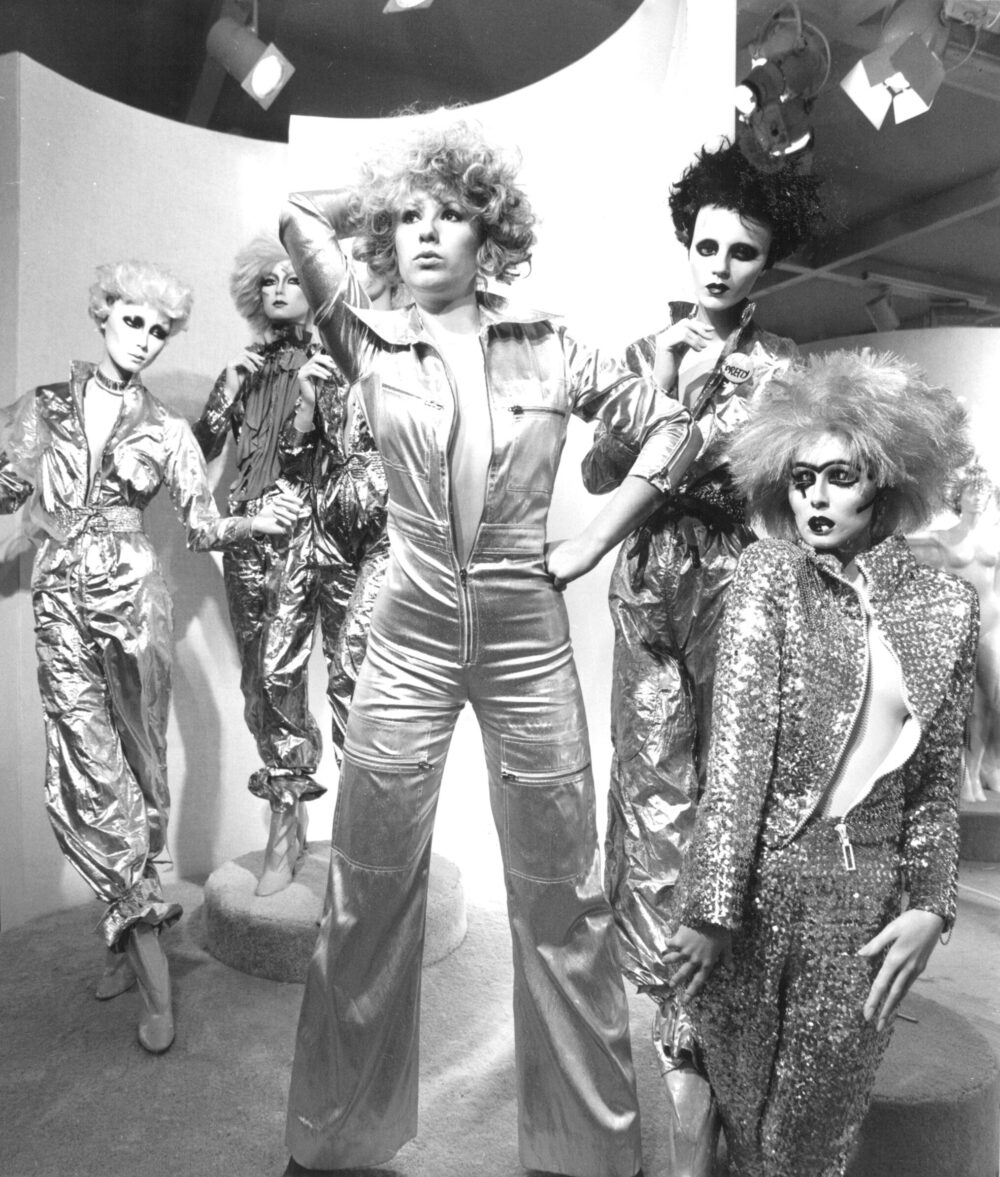
  1. Design in transition – from the curvaceous Charleston-style dolls of the 1920s to the slim, minimalist forms of modernism.
  2. Poses and materials – modern figures appear lifelike thanks to realistic proportions, variable poses, and new materials such as silicone and fiberglass.
  3. Social mirror – Dolls are no longer just fashion tools, but show how ideals of beauty, age representation, and diversity are changing.


Why they look the way they do today – and not differently

  • Inclusive storytelling: Brands are using realistic characters—such as seniors or dolls with diverse body types—to appeal to different target groups.
  • Product presentation: Poses, accessories, and styling tell mini stories—they allow us not only to see clothing, but to experience it. This gives mannequins an emotional impact.
  • Material and technological advances: From wood to papier-mâché, porcelain, fiberglass, and movable joints—state-of-the-art materials enable flexible, lifelike presentations.
  • Sustainability/recycling: Recyclable mannequins, innovative materials, and new production methods show that sustainability is becoming visible in visual merchandising. Manufacturers are turning to raw materials such as coconut, hemp, flax, bamboo, old textiles, wood fibers, and organic resin. Others use industrial waste—from aviation, for example—for 3D printing. Colors are created from coffee powder, brewery residues, or oyster shells. This turns mannequins into real material miracles with a green conscience.


Interesting facts

  • Human-like figures were already being used as early as 1300 BC, for example in ancient Egypt. They ranged in size from miniature to larger than life. However, it is not known exactly where and when the first mannequin was created.
  • “Mannequin” comes from the Flemish word ‘manneken’ – “little man.” In France, it became the term used to describe models or dress forms that represent the human body.
  • The production of mannequins was extremely complex back in the days, because the fragile figures had real hair and eyebrows, so-called “inserted hair.” They also had glass eyes and porcelain teeth to achieve the most realistic representation of humans possible.