
Project


Sure, the final outcome counts. But the process behind it leaves the actual impact; from the sourcing phase behind wooden furniture and meticulous colour calibration to achieve the perfect shade, to massive political transformations. Here are four projects that turn processes into spatial design interventions.
Ollee Means
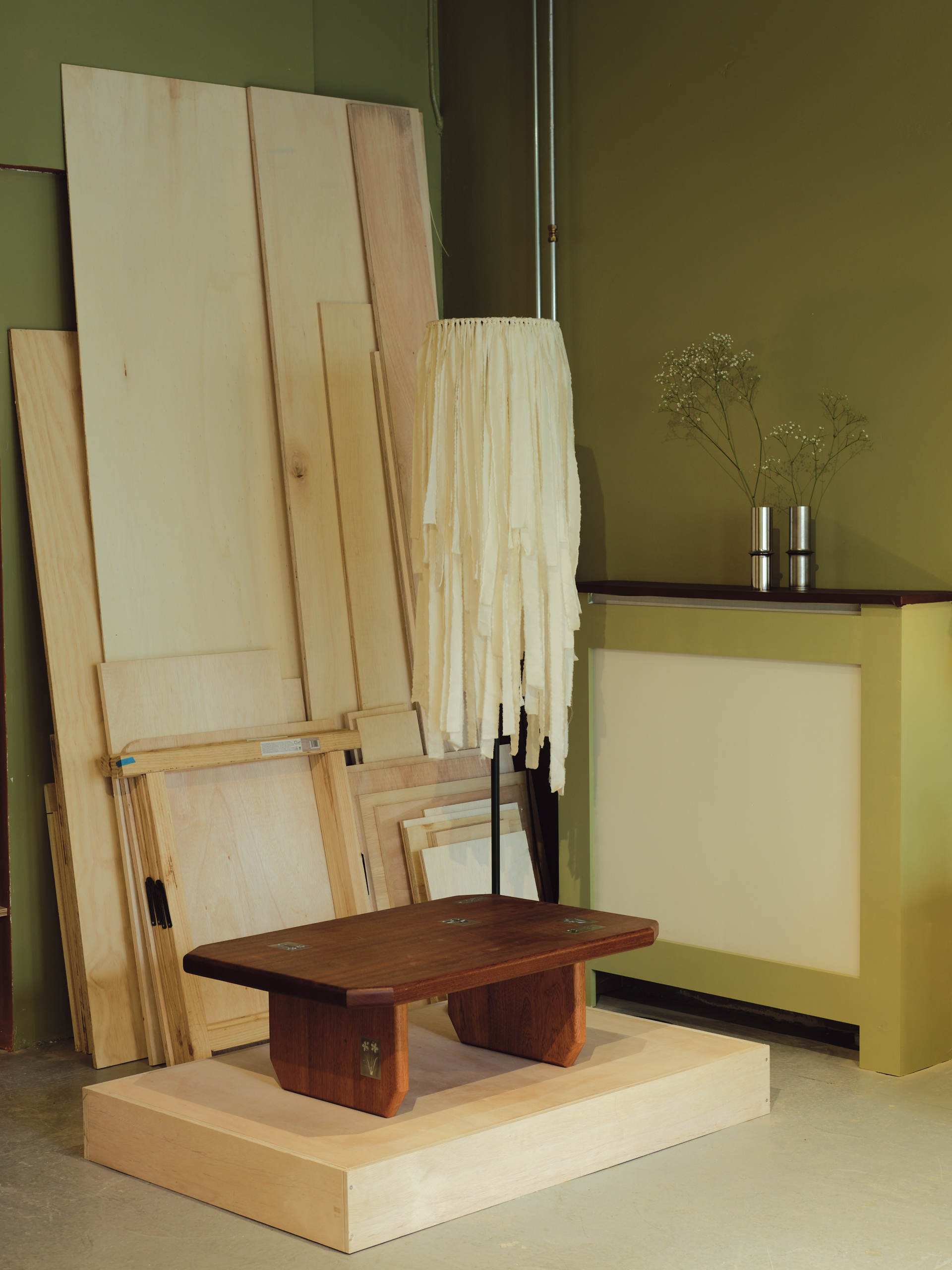
In Amsterdam, Bothi blurs the line between process and final result. The project sits between a design store and a workshop and its artisanal look strengthens the duality. The domesticity of the creative space speaks through the unfinished yet curated aesthetic of the environment, from tools hanging on the wall and steel crates doubling as display structures, to a kitchen corner – with curtains hiding storage space as in rural homes – and wood beams left leaning on walls and overhanging joints. Bothi’s lamps, cabinets and other products are seamlessly integrated in the studio. The design, as well as the name, draws from the Scottish bothy, a public shelter for wanderers; the Dutch version invites city walkers to discover objects and their stories.
Adress: Baarsjesweg 208H, Amsterdam
Damian Fopp
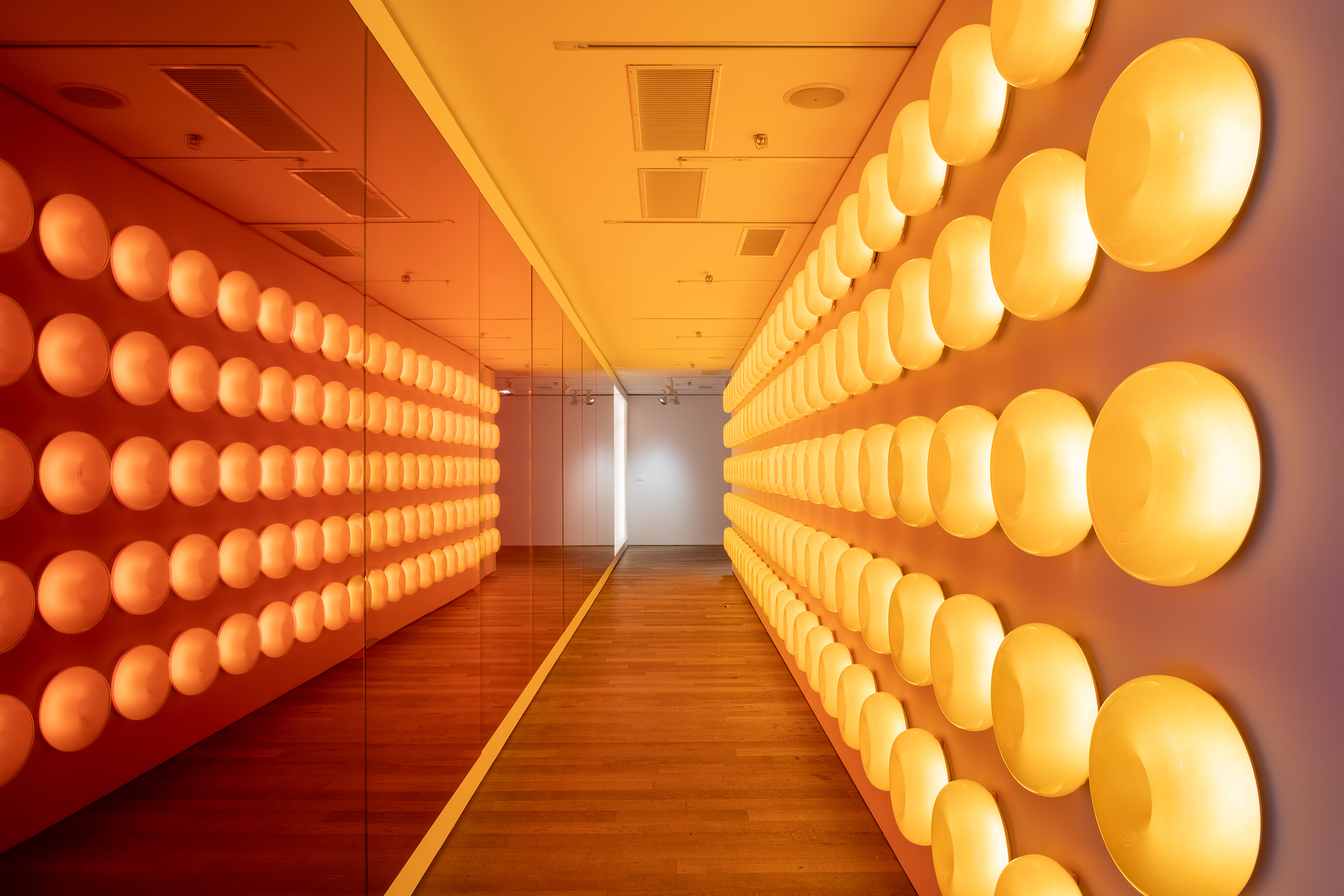
The Museum für Gestaltung Zürich is hosting Sabine Marcelis’s first solo exhibition in a museal institution. A mixed path of signature furniture and immersive installations unravels among lights, colours and transparencies, while tracing back to her practice’s origins. Products are not just displayed: they become art compositions, embodying the subtle line between art and design that characterized Marcelis’s works. It’s the case of the waterfall of Candy Cube tables emerging from the ceiling. The famous donut-shaped lamp, designed for IKEA’s VARMBLIXT collection, becomes the primary element of a light tunnel, where mirrors reflect the lamps’ warm light. For the exhibition, the designer has created a bespoke installation, Mathmos Lava Columns, a mirrored room of full-length lava lamps.
Adress: Museum für Gestaltung Zürich, Pfingstweidstrasse 96, 8005 Zürich, Schweiz
On view until: 4. April 2027
Karimoku Furniture, Norm Architects und Keiji Ashizawa Design
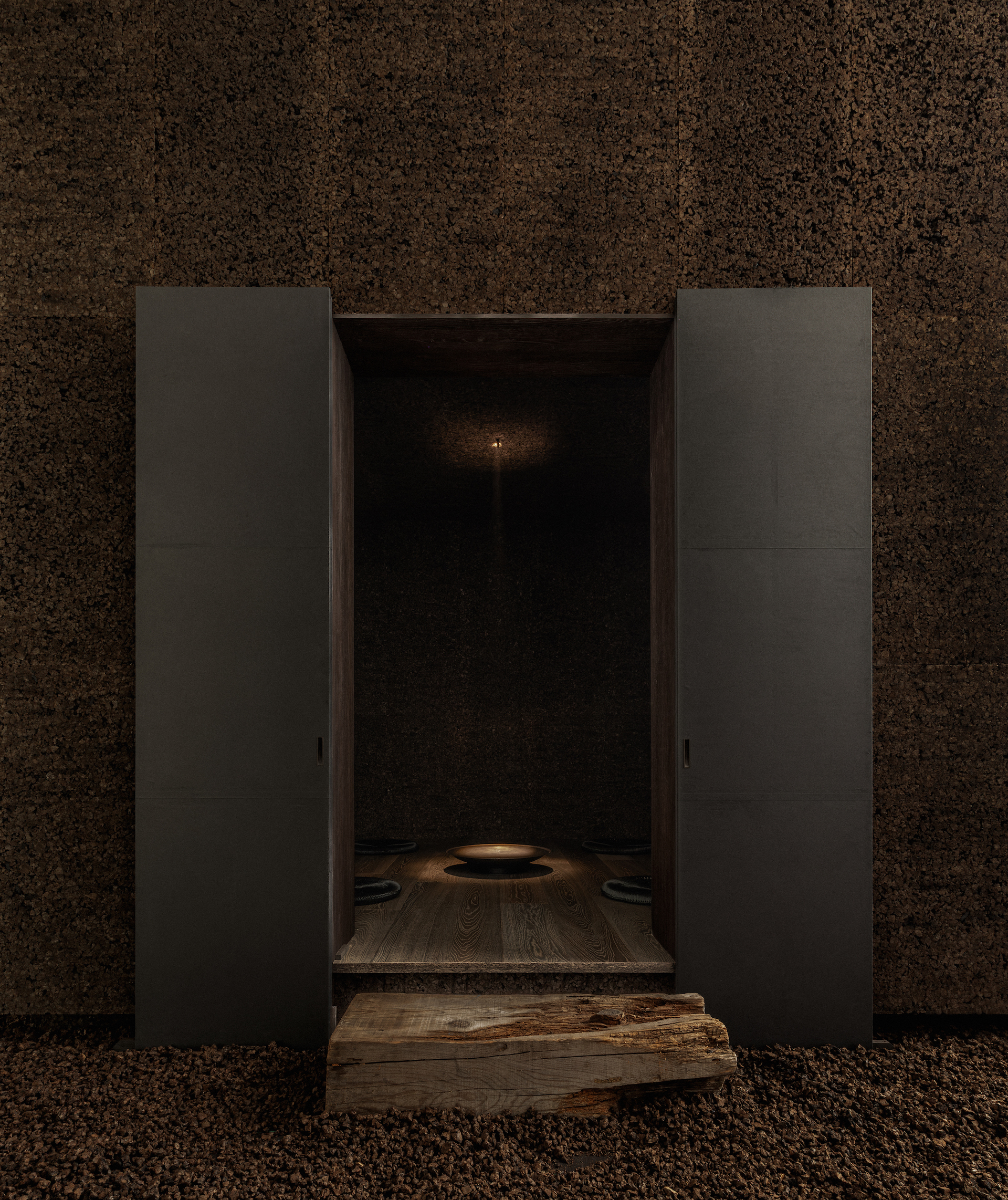
Karimoku Furniture, Japan’s biggest wooden furniture manufacturer, is hosting Forest Conversation, an exhibition about wood, exploring the many forms it can take throughout its lifespan – before and after human touch. Five materials hold the project: solid wood, cork, paper pulp, fallen leaves and washi. The exhibition takes place in two different venues: at the KARIMOKU RESEARCH CENTER the Still Room, a chapel made of cork, solid wood and water, stands in the middle of a tall room as demonstration of the forest becoming architecture. Karimoku Commons Tokyo extends the operation to furniture, showcasing chairs and other prototypes. Both sites offer works by artists Mikio Ishiguro, THOUSAND and Gen Taniguchi.
Adress KARIMOKU RESEARCH CENTER: 2-24-2 Nishiazabu, Minato, Tokyo 106-0031
Adress Karimoku Commons Tokyo: 2-22-5 Nishiazabu, Minato, Tokyo 106-0031
Ibrahim Mahama
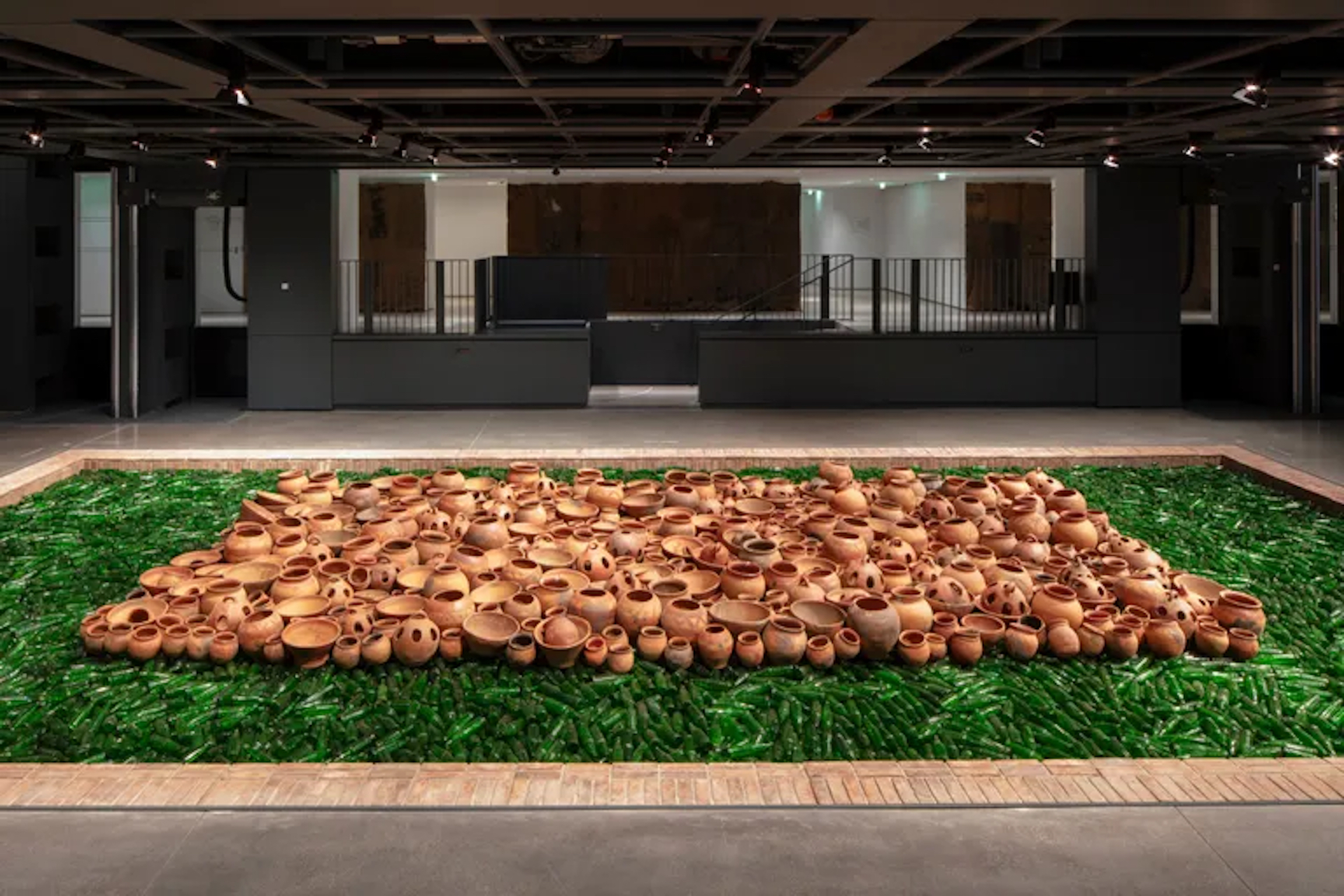
At the Fondation Cartier, Paris, Ghanian artist Ibrahim Mahama navigates Ghana’s historical turning points through art. The installations include renowned ones, like Parliament of Ghosts, in a version fitted out with stools from Ghana’s Asante Empire, and new works, as Things Fall Apart, built from Aboso Glass Factory’s pieces – 25,000 green glass bottles were used, alongside the original factory sign. The exhibition showcases different-scale artworks: from these massive interventions to collages and textiles. Nine other Ghanian and international artists and collectives have participated to The Harvest Season with their projects, reinforcing the socially aware character of the exhibition.
Adress: Fondation Cartier, 2 Pl. du Palais Royal, 75001 Paris, Frankreich
On view until: 28. Februar 2027