
Project


HOW 2025 RESHAPED STORE DESIGN AND WHAT IT MEANS FOR YOUR NEXT PROJECT
As the year draws to a close, FRAME’s sector-specific briefings unpack the spatial and strategic shifts shaping the industries at the heart of our platform. And: they come with our biggest membership offer yet: 40% off full access to Frameweb (find details below). First up: Retail.
In 2025, retail moved decisively away from frictionless efficiency towards wellbeing-led environments that prioritize sensory depth, presence and human connection. As consumers tire of digital saturation, brands are reimagining stores as places to feel, restore and engage – rebalancing commerce with care.
Fuelled by the rapid growth of the global wellness economy, retailers across categories are embedding wellbeing in ways that feel credible, meaningful and brand-aligned – positioning physical space as a driver of long-term relevance.
EXPLORE THE THINKING
Two in-depth FRAME features unpack the logic behind the shift.
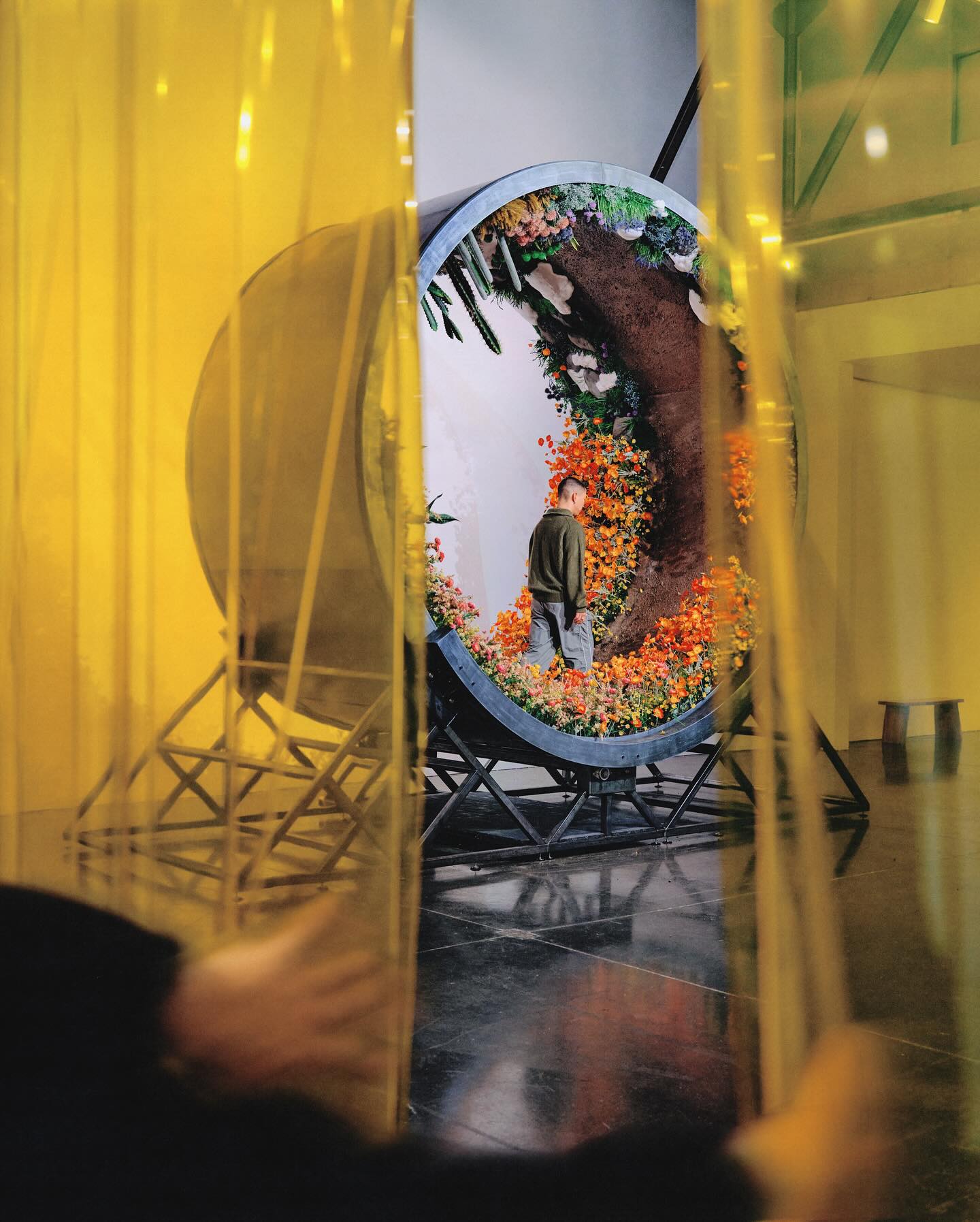
Retail is in its wellness era. Can it make commercial space more meaningful?
Today’s marked consumer interest in wellness isn’t limited to that market alone. Savvy retailers across all segments are picking up on this health-oriented drive, responding with installations, experiences and holistic build-outs that balance sales with human value.
Read more here.
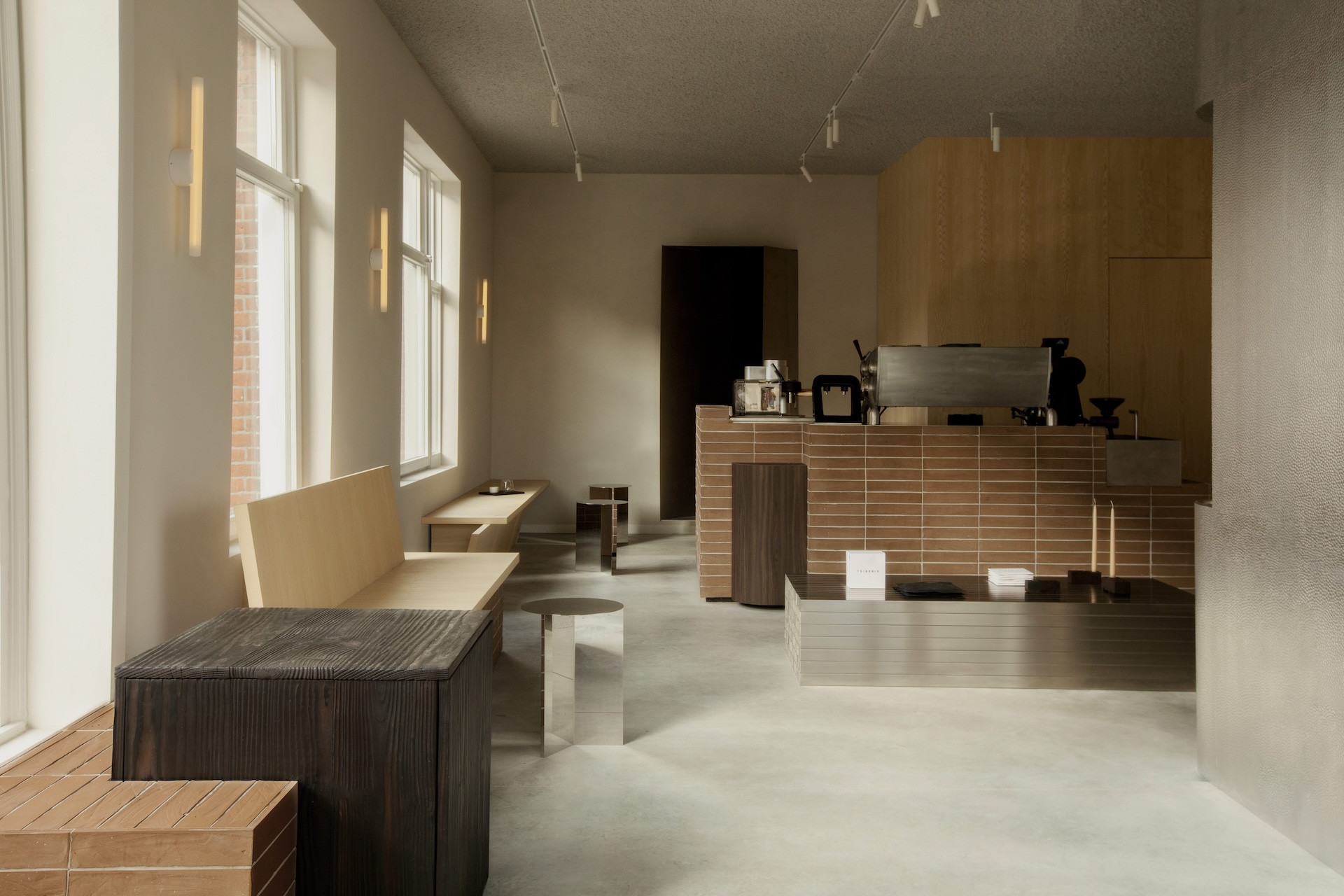
Why somatic retail may be the reset we need in the age of digital saturation
As our days grow ever more screen-bound, how can stores be designed to help us slow down, switch off and reconnect with ourselves and others? Enter somatic retail: sensory, body-first spaces that offer something e-commerce can’t touch.
Read more here.
SEE IT BUILT
A selection of five of the most instructive retail case studies of 2025 – including Aēsop, Glossier and Vyrao – shows how wellness thinking takes spatial form. Together, they reveal four defining approaches:
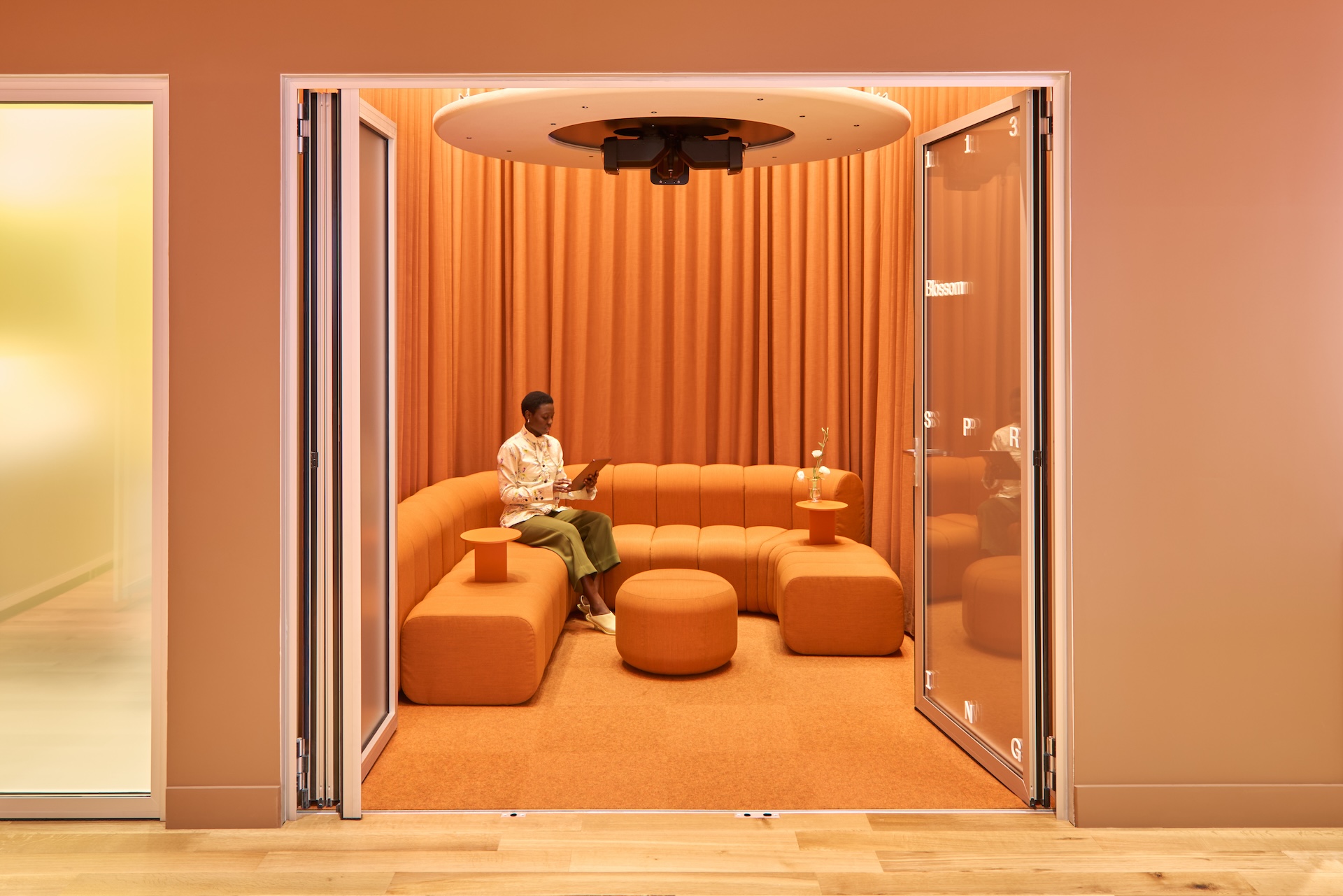
Must the shopping experience be purely commercial? Snøhetta’s design for 113 Spring proves not
Snøhetta’s design for 113 Spring in SoHo transforms a historic cast-iron building into a living lab for sustainable luxury and well-being where nature, neuroscience and design converge.
Read more here.
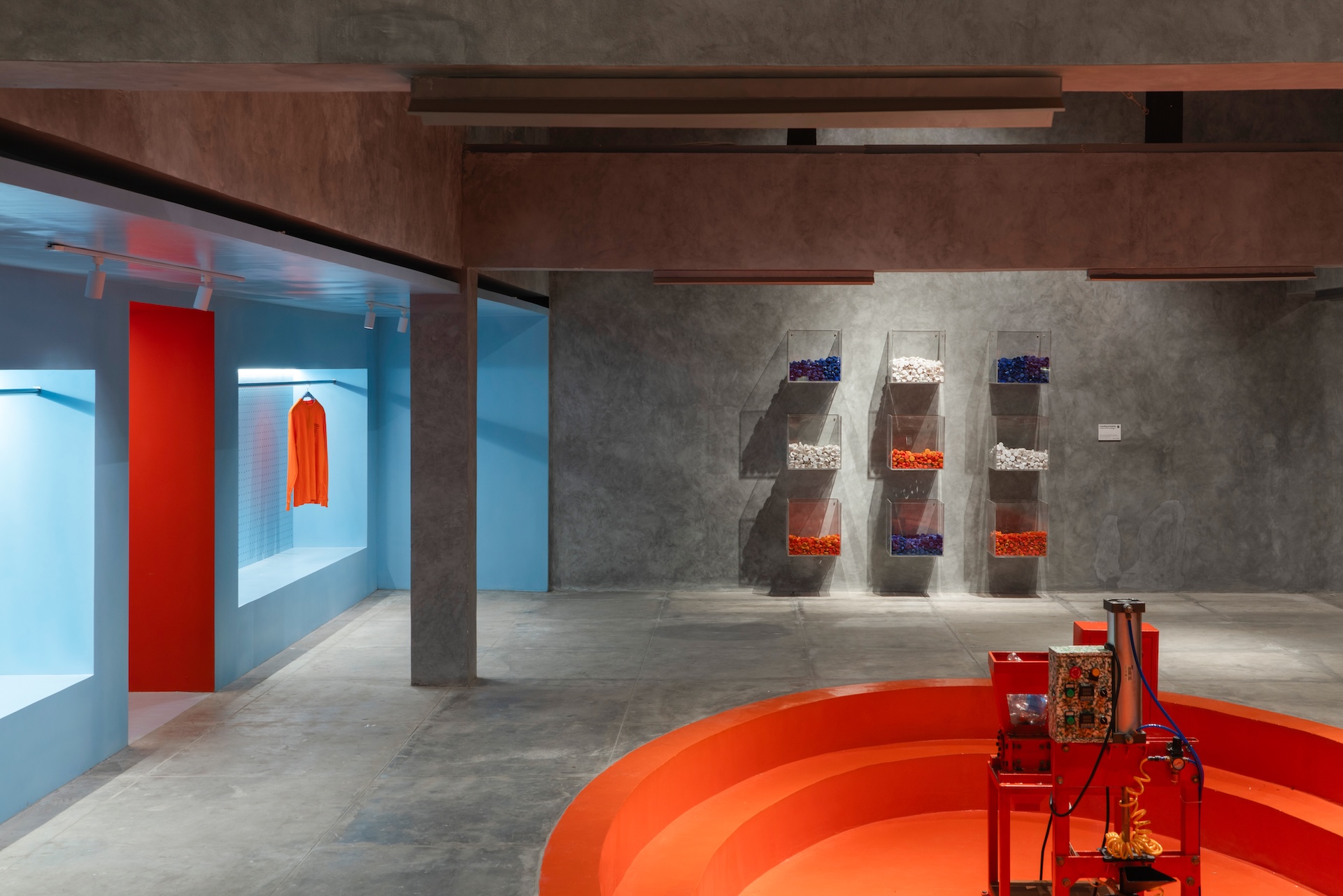
11 tonnes of recycled plastic are just the start of circularity at a self-care-space in Jakarta
Dan Mitchell’s Space Available transforms a culturally significant building in Indonesia’s capital into a modular community hub where retail becomes ritual.
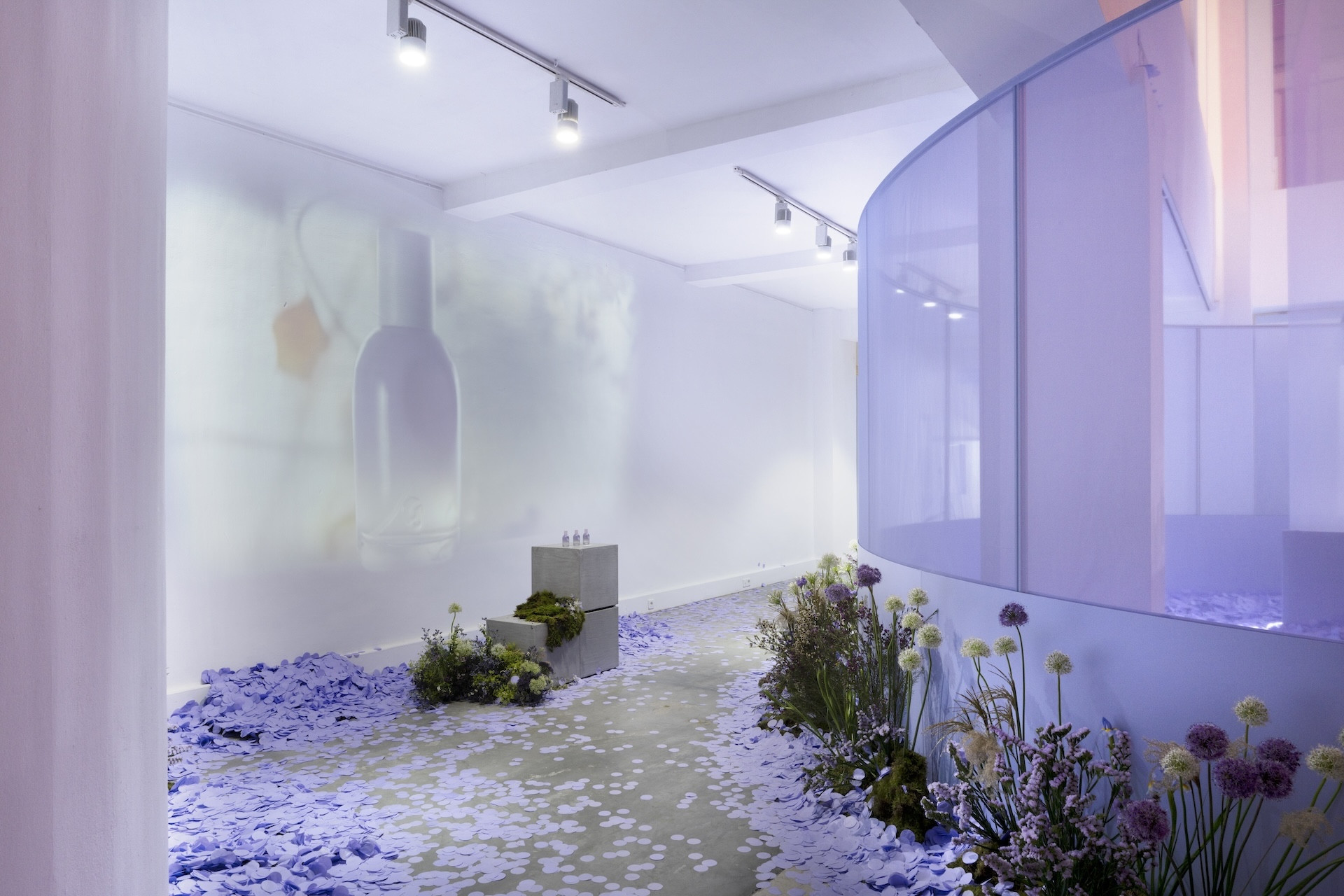
How Glossier used a product launch to make perfume discovery experiential
Random Studio drives the idea of a personal scent home with its AI-powered poetry machine that tailors the experience of discovering a perfume to each individual visitor.
Read more here.
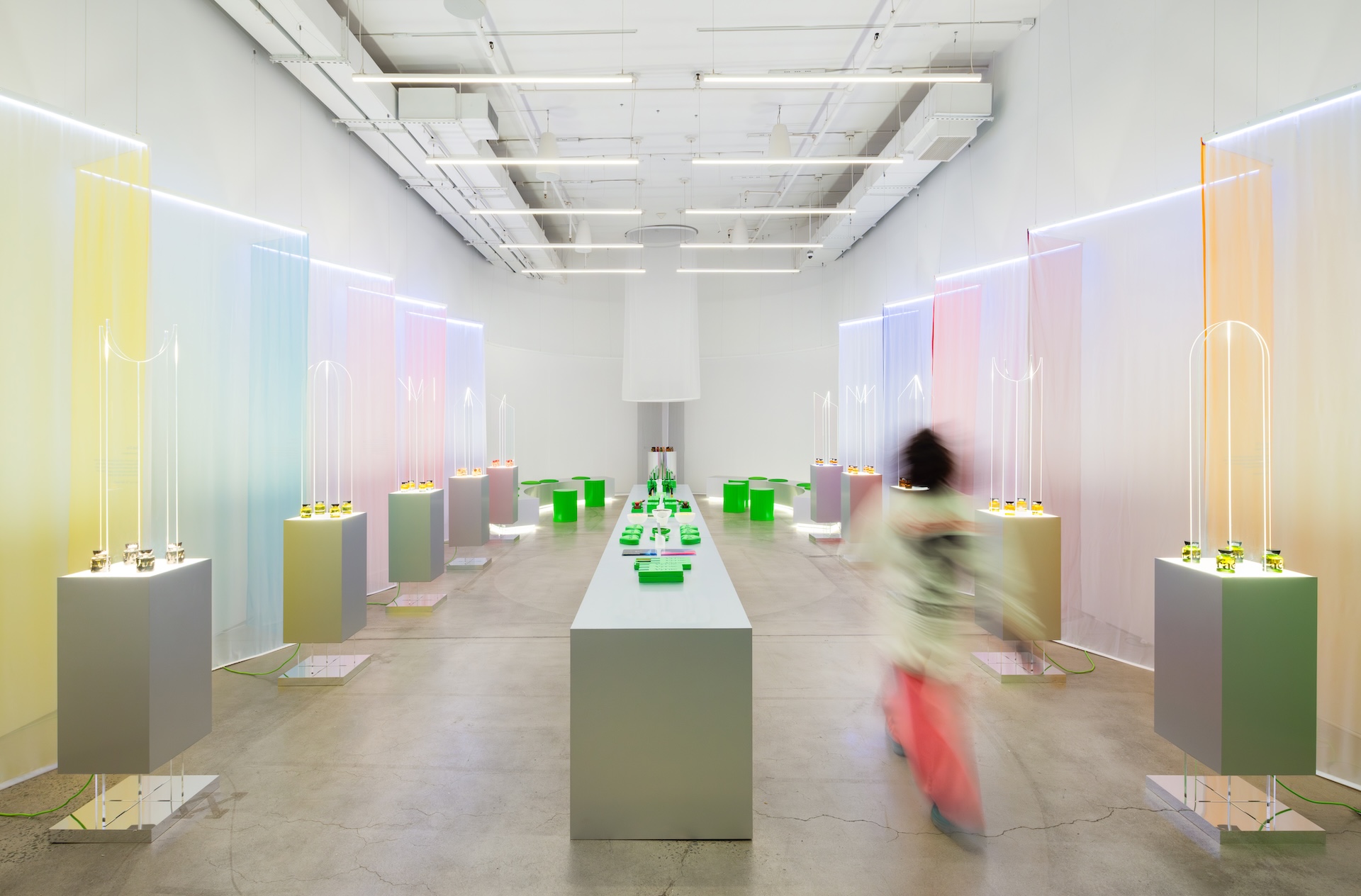
AMO borrows from the layout of religious spaces to create a shrine to Vyrao’s scents
Energy is everything for this perfume brand with a cult following, and its New York City pop-up amplifies that with a mix of strong cultural programming and a layout borrowed Judeo-Christian holy spaces.
Read more here.
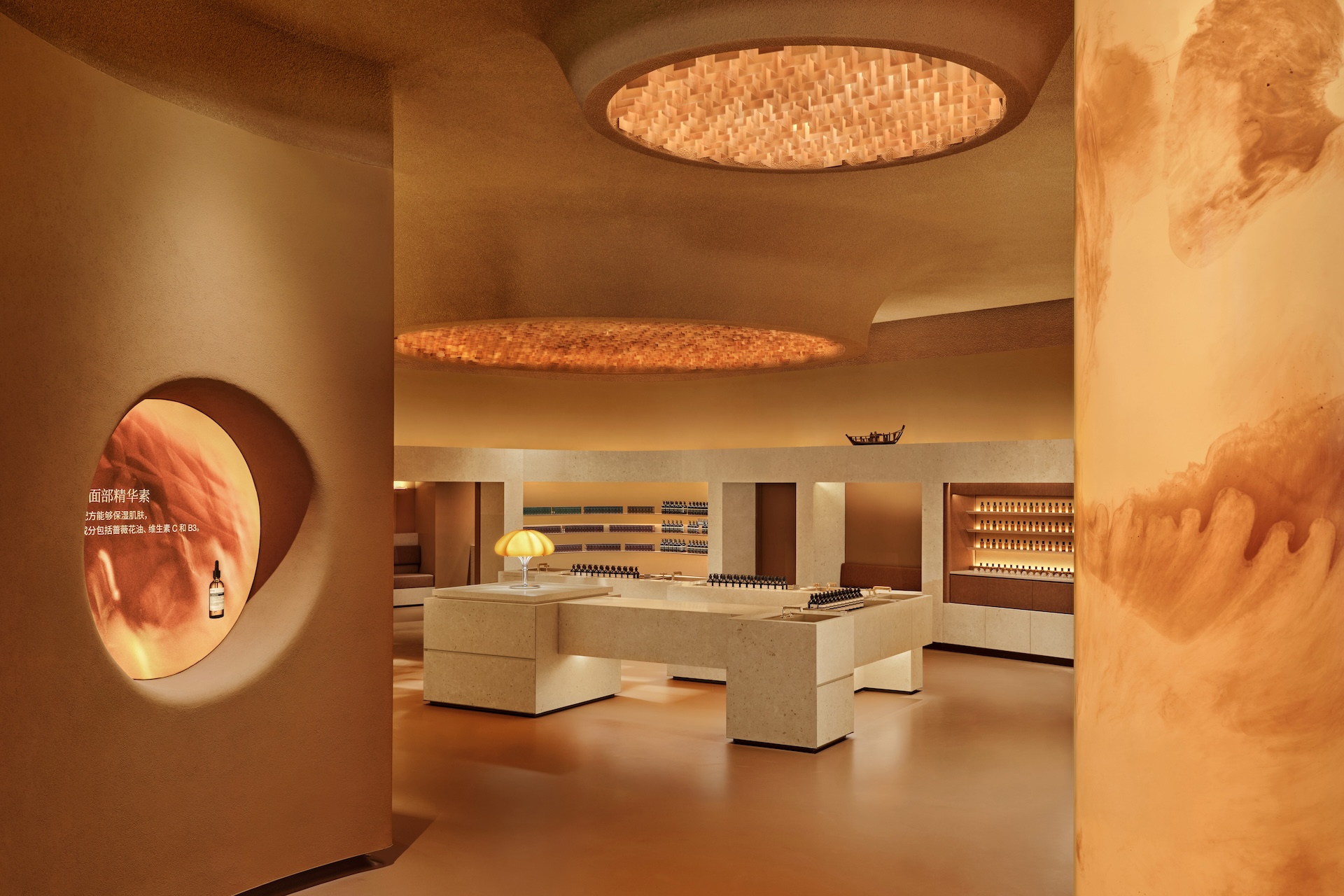
Aēsop Hainan by Other Matter
Conceived by Aēsop’s in-house architects with bespoke material commissions by Other Matter, the store employs algae-derived polymer in two novel applications: a removable architectural film and a sealed architectural finish.