Project


Salone del Mobile 2026: The key tendencies and trends at a glance.
From large-scale installations and curated showroom presentations to the design week itself: these are the defining impressions and central trends of Salone del Mobile 2026 – compiled by the international AD editorial team.
Hannah Martin, Senior Design Editor, AD US
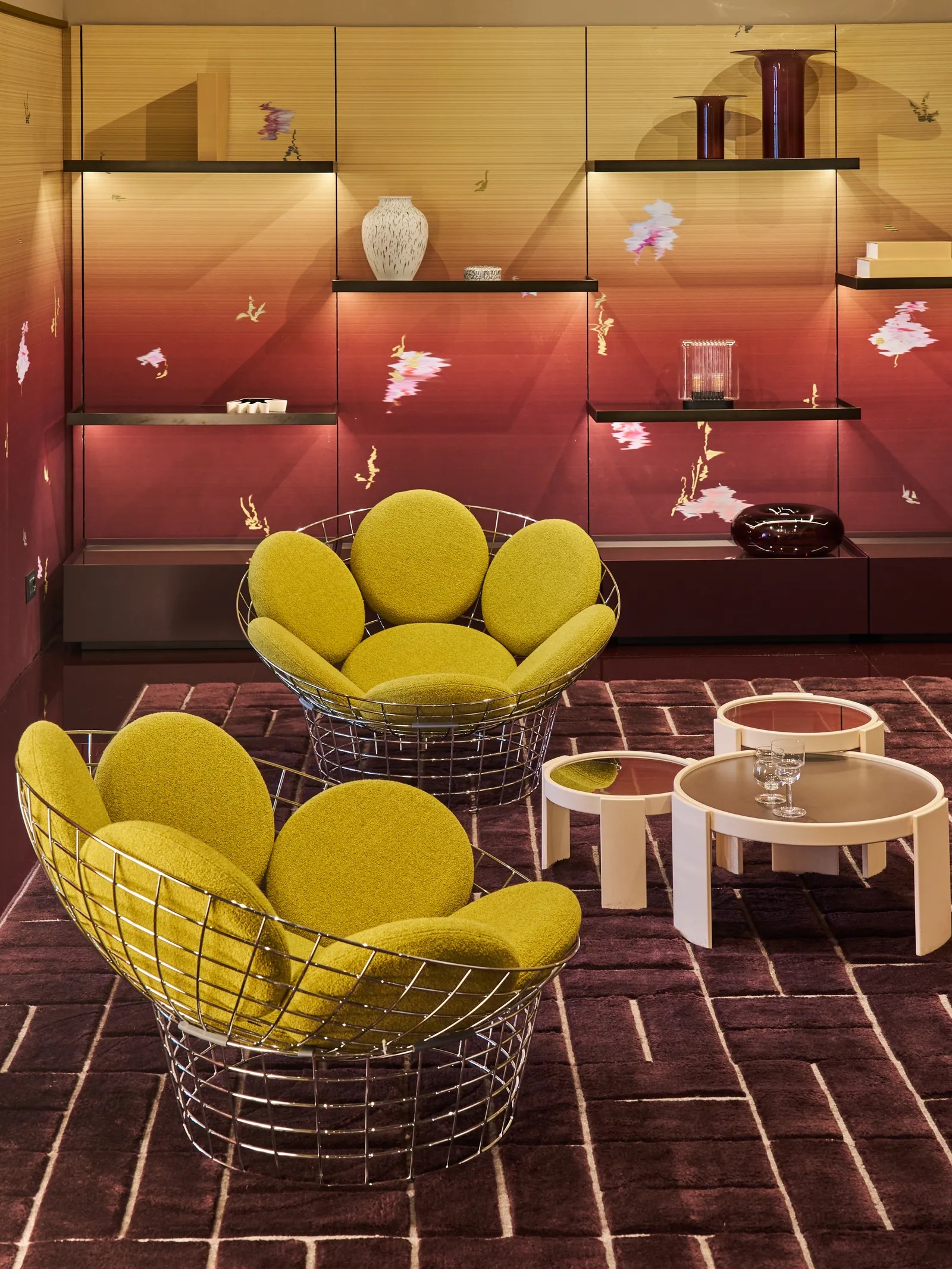
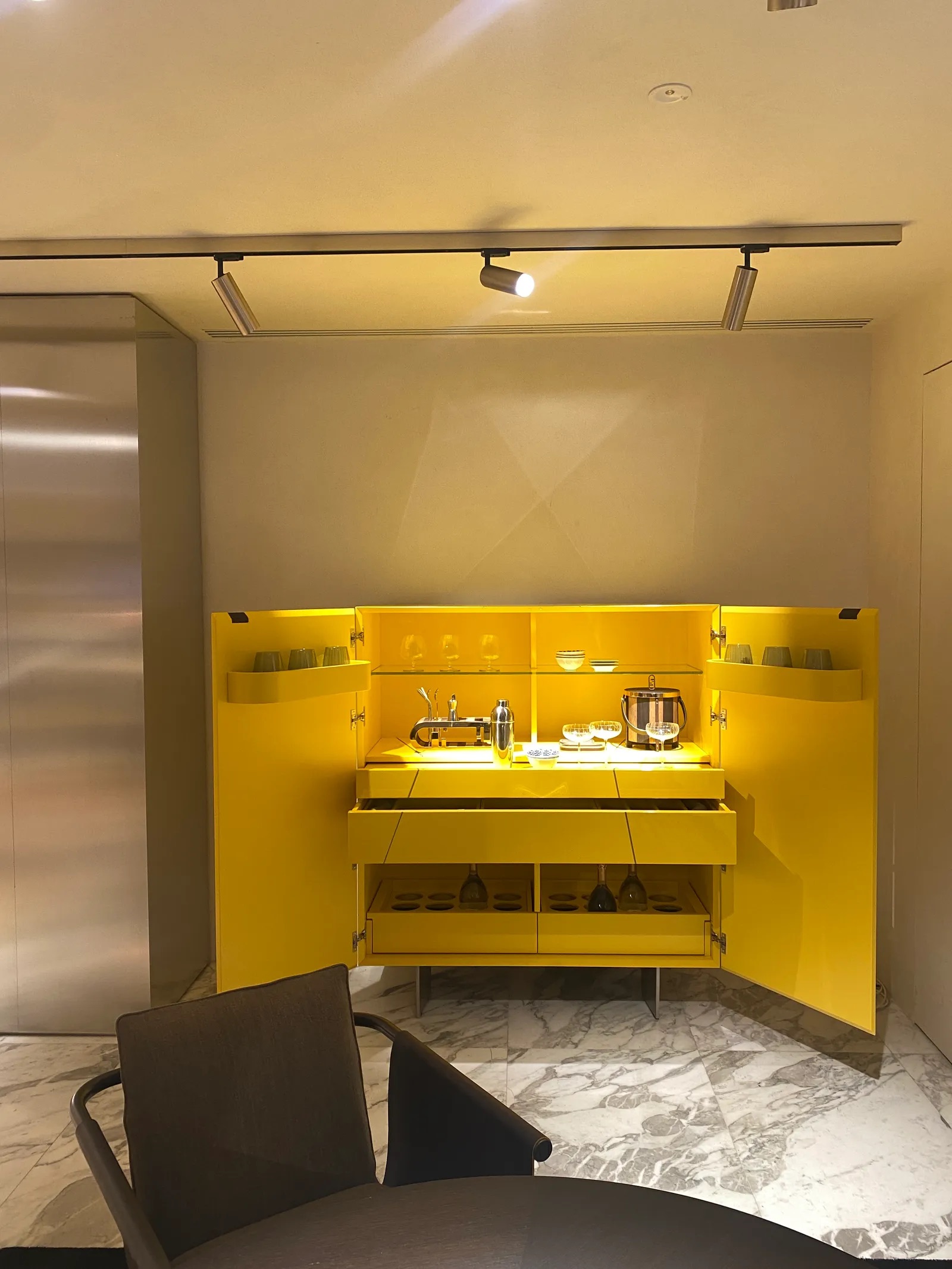
Despite forecasted rain showers, Milan showed its sunny side throughout the entire Design Week – and it almost seemed as if the city had visually aligned itself with it. A bright yellow, aptly described as “canary yellow,” ran like a common thread through installations and new collections. At Fendi Casa, the color appeared in a bold yellow bar, as well as in the new “Naki Sumo” side table, topped with an intensely glowing Murano glass surface. Cassina used the color in the upholstery of the reissued 1960 “Panton Peacock Chair,” while a slightly greenish variation defined walls and textiles in Patricia Urquiola’s “Ardys” sofa system presentation. B&B Italia also embraced the hue in the re-edition of Richard Sapper’s folding “Nena” chair from 1984. At Nilufar Depot, a warm egg-yolk shade covered a bed in David/Nicolas’s “Grand Hotel” exhibition staging. This cheerful color – frequently seen throughout Milan, whether in courtyards or metro railings – perfectly captured the city’s playful elegance and spirit in this year’s debuts.
Joyce Jin, Digital Editor, AD China
Weaving is far more than decorative craft. What was once mainly associated with rattan, grass, or textiles has evolved into an independent design principle: an approach that combines softness with structure, openness with limitation, and creates both visual and tactile relationships between materials.
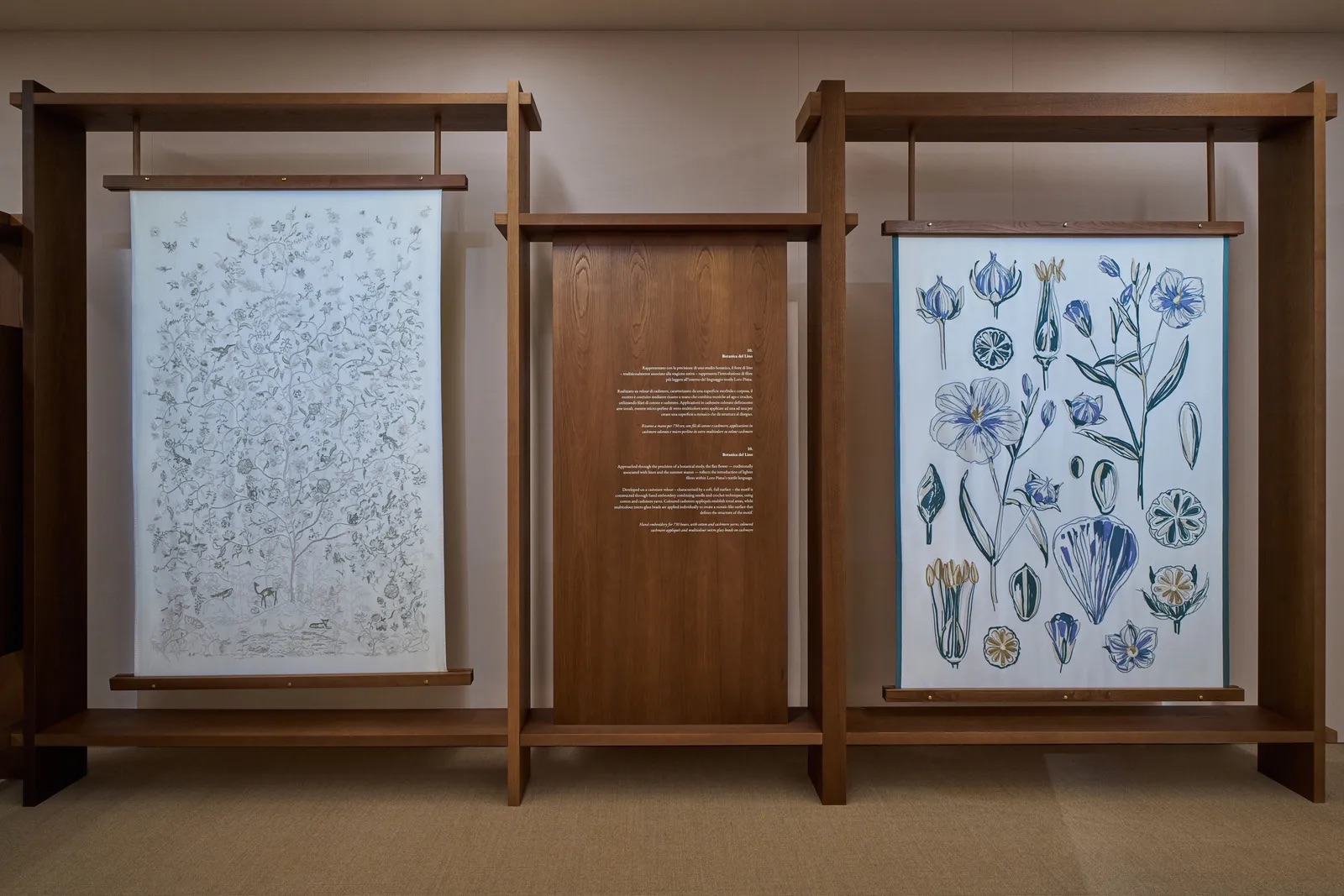
In this logic, weaving becomes constructive – shaping furniture, defining surfaces, and rethinking entire spaces. Loro Piana’s “Studies, Chapter I: On the Plaid” approached material and technique from a consciously traditional perspective. In contrast, Jacopo Foggini’s “Dilly” lamp for Edra translates weaving into the present: hand-shaped polycarbonate bends and directs light as it passes through layered, interlocking structures. This mindset was also evident at Alcova, where ropes, textiles, and lightweight constructions were condensed into experimental furniture structures.
The diversity of approaches points to a renewed focus on making. Craftsmanship is being renegotiated in an industrial context – both as a contemporary continuation of traditional techniques and as an experimental field for new materials and processes. What matters most: the production process becomes visible. Construction is no longer concealed but becomes the defining narrative of design. Weaving thus moves away from ornamentation toward an open, structural language. It is not merely about returning to a “natural” aesthetic, but about rethinking connections, relationships, and design methods.
Sarah de Beaumont, Contributor, AD France
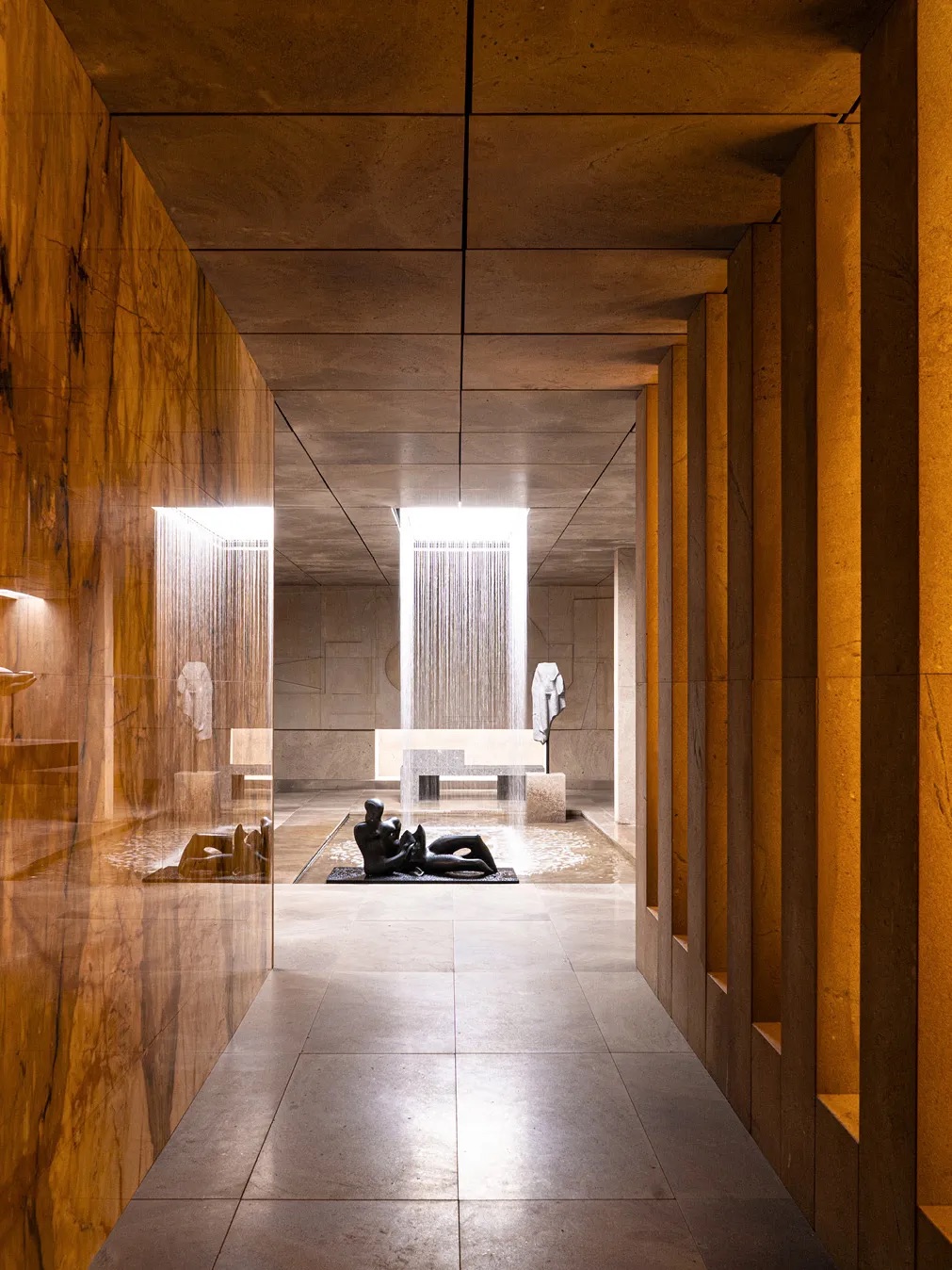
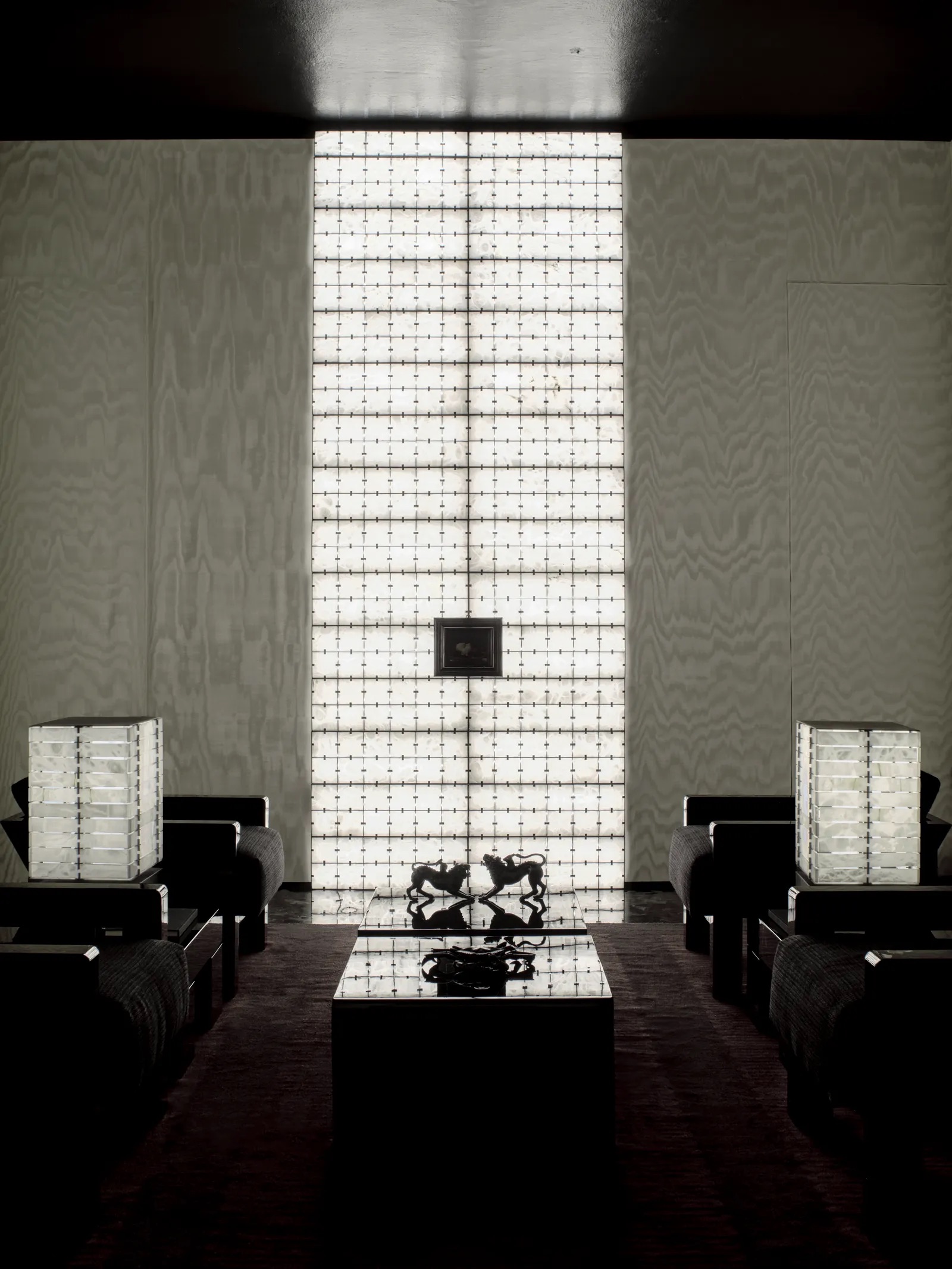
Stone played a central role at this year’s Salone del Mobile. B&B Italia presented its new collection in a modernist setting inspired by Ludwig Mies van der Rohe’s Villa Tugendhat, where partitions made of colored marble structure the space while playing with perspectives and materials. For Hermès, Barber & Osgerby designed a marble dining table with subtle curves and fine marquetry-like detailing, combining craftsmanship with contemporary precision. At Studioutte, floor-to-ceiling backlit alabaster surfaces emitted a soft, diffused glow, making the mineral material appear almost immaterial.
A more radical approach came from Hannes Peer in collaboration with Margraf: a fully stone-based living concept where marble and onyx are not just surfaces but spatial principles. Whether smooth or porous, stone defines floors, walls, and platforms – becoming an all-encompassing architectural language.
Fiona Bornhöft, Editor, AD Germany
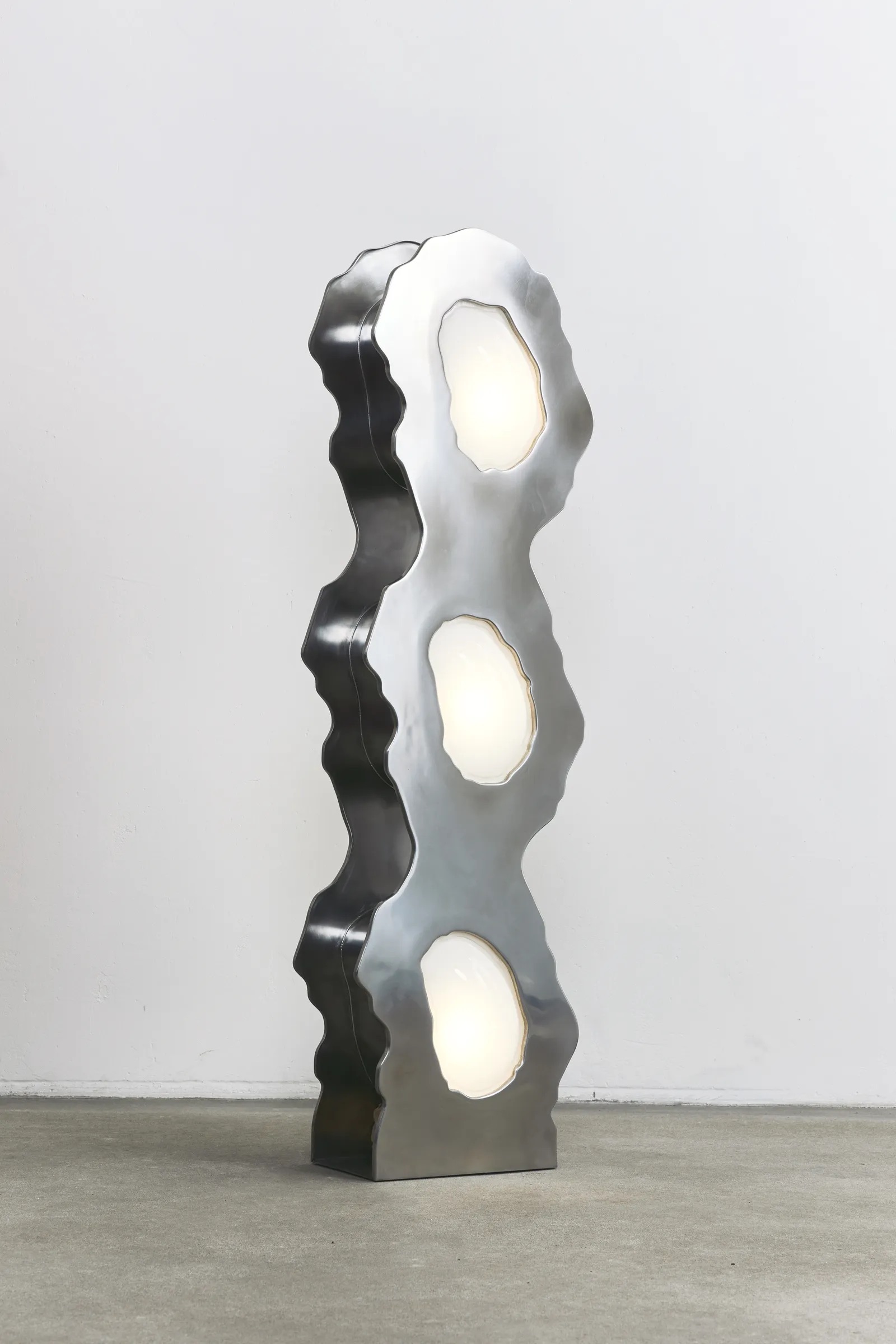
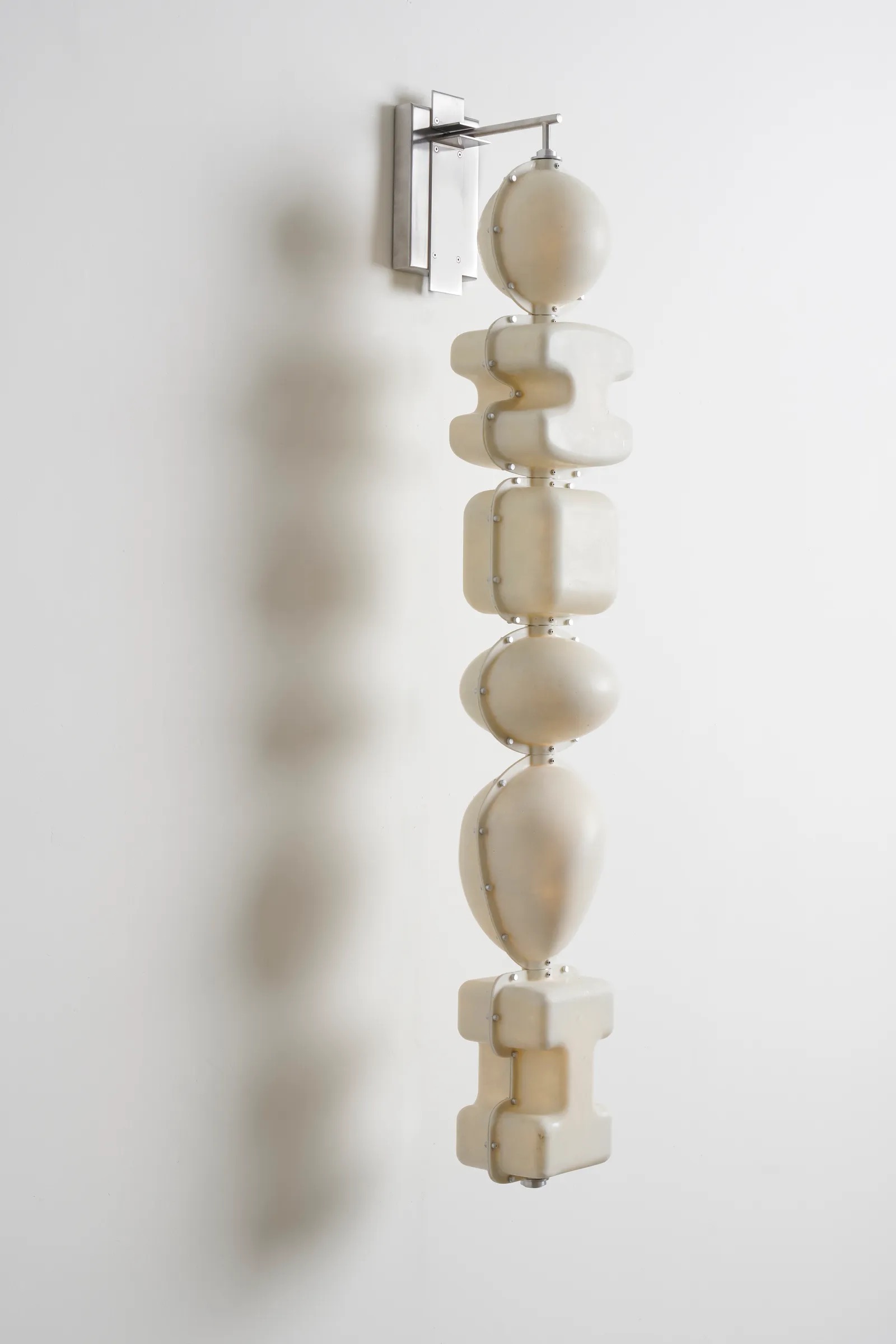
Few materials have remained as consistently present in design trends as metal. Chrome, stainless steel, and aluminum have been key players for years – sometimes as bold monochrome statements, sometimes as subtle accents paired with marble, velvet, wood, or glass. At Salone del Mobile 2026, however, a shift became clear: instead of rough edges and industrial rigidity, designs appeared softer, more sculptural, and occasionally even playful.
This new expression is achieved through organic forms and unexpected material combinations. For example, Enne’s “Lien” sofa pairs cool metal with soft bouclé, while Arflex’s “Botolo” chairs combine chrome with curly sheepskin in an almost charming way. Anna Karlin’s “Lantern Stack” wall light explored the boundary between industrial design and sculpture, while the Ukrainian duo Furn Object softened metal’s usual sharpness in their “Glimpse Flora Lamp,” making it appear almost melted. Metal is far from outdated – it’s evolving.
Marilena Pitino, Design-Journalistin, AD Italy
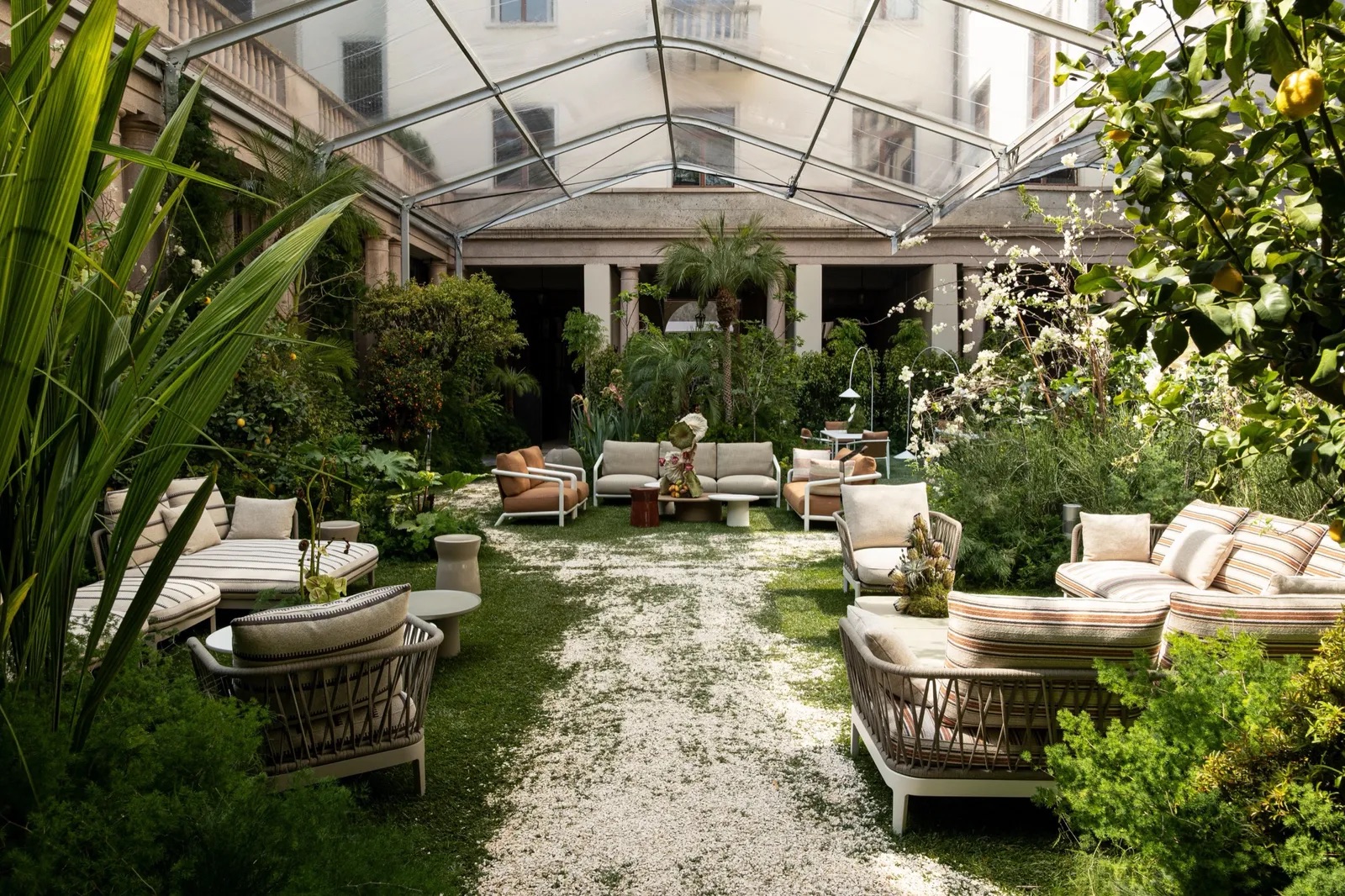
Nature took center stage at this year’s Salone – both as inspiration and as a subject of reflection. Exhibitions encouraged visitors to slow down, step away from the city’s hustle, and reconnect with their surroundings. Molteni & C’s outdoor collection was presented in Elisa Ossino’s installation “Responsive Nature,” featuring six different landscapes forming an immersive journey. At Alcova, “Natura Obscura” blurred the boundary between natural and built environments through wearable floral sculptures.
Similarly, Saba Italia’s “Botanical Frequencies” translated botanical elements into form, material, and color vibrations. Many designs referenced plant life, such as Balmaceda’s textile works inspired by the Ceiba tree or Georges Mohasseb’s “Cactus Collection.” Nature was not just aesthetic – it became conceptual.
Marina Peñalver, Senior Digital Editor, AD Spain
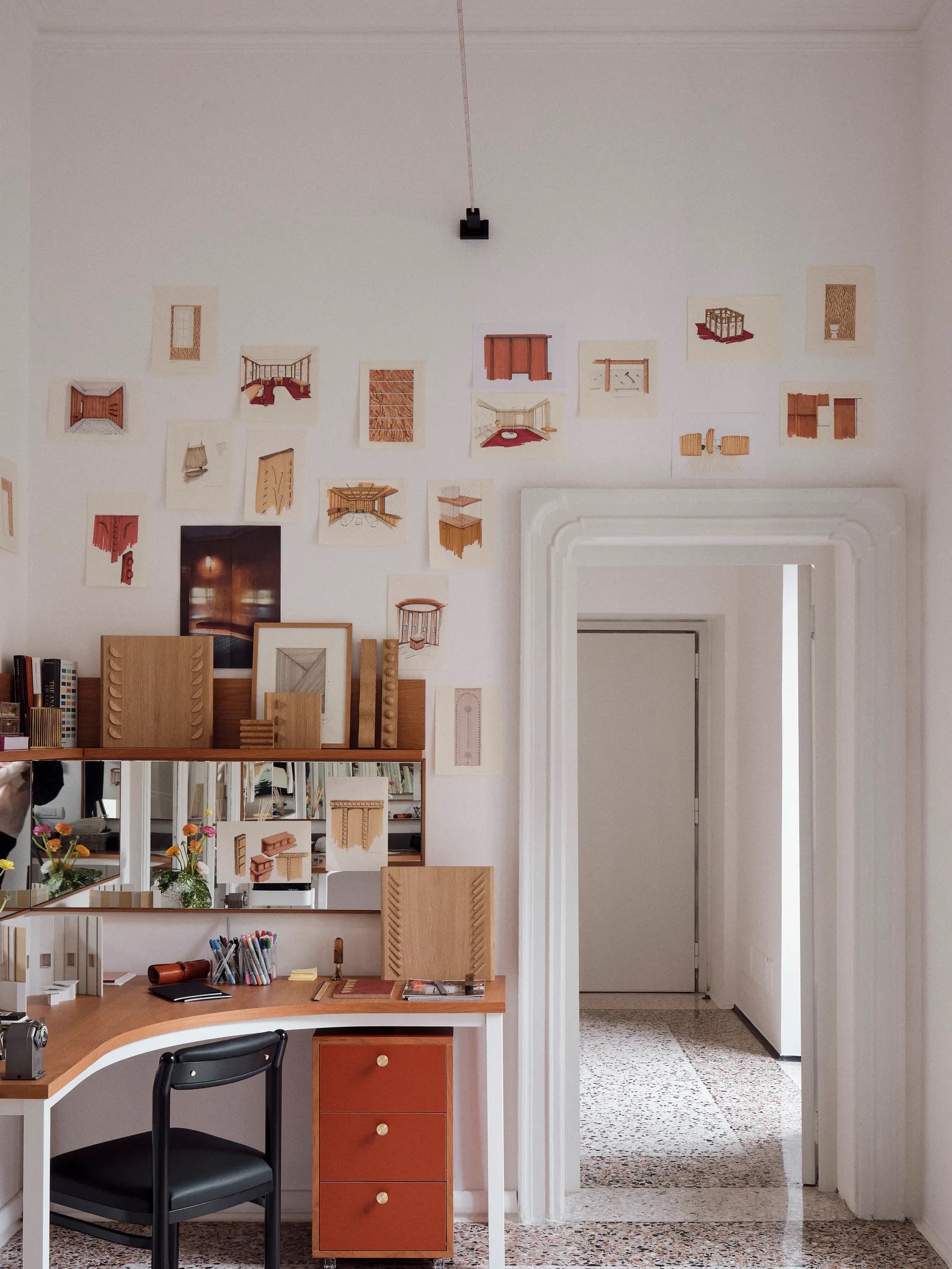
Wood remains one of the favorite materials of designers and brands—and at this year’s Salone del Mobile, it broke through familiar categories and contexts. New editions of iconic designs—such as Tacchini’s “Pigreco” chair by Tobia Scarpa—appeared in a fresh guise and held their own alongside new creations like the works of Isamu Kenmochi. In installations such as “La Boiserie” by David/Nicolas or Kelly Wearstler’s staging at Palazzo Acerbi, wood was presented both as a decorative and functional element. With the “Rasters” series, presented by BD in the Zaza Gallery, Office Kersten Geers David Van Severen, together with Muller Van Severen, translated architectural grids into modular furniture made of solid beech.
Whether chair, table, or outdoor object: wood is taking on new forms while also making it clear that, in an increasingly digital world, we long for tactility. It invites touch, makes materiality tangible, and points to origin and process. In doing so, it becomes more than just a design medium: it conveys atmosphere, a sense of slowing down, and a more conscious approach to design.

Aidan Imanova, Head of Editorial Content, AD Middle East
In contrast to the rapid acceleration of AI-driven design processes, a quiet yet unmistakable shift emerged at Milan Design Week 2026: a return to the essentials. Heritage houses and designers alike embraced a slower, more deliberate way of working, grounded in dexterity and manual intelligence.
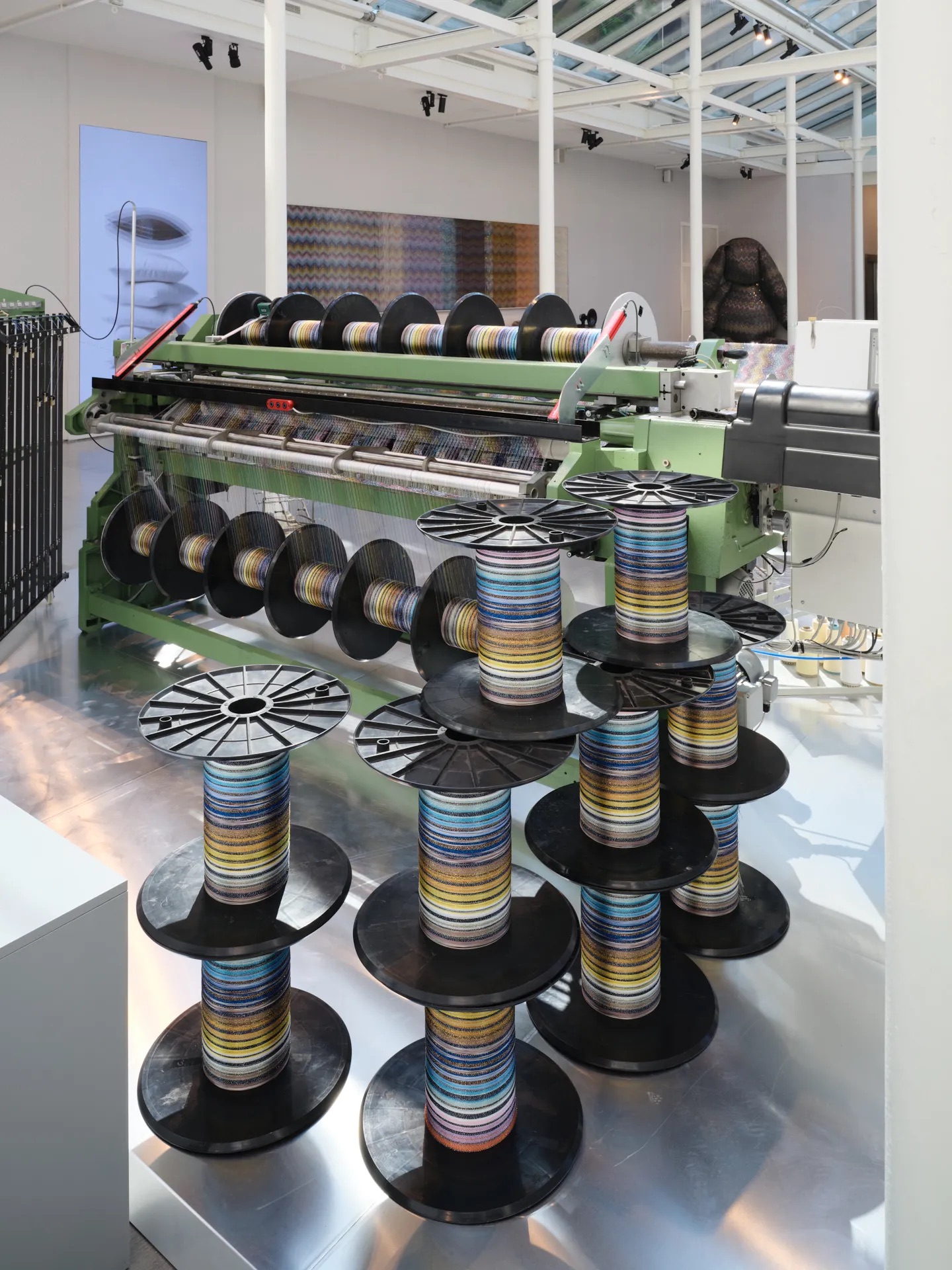
Materiality and production processes clearly moved to the forefront. The label Missoni, for instance, staged a large-scale industrial knitting machine as the centerpiece of its presentation, transforming textile production into an immersive live installation. Unlike what is typically seen in luxury contexts, the process was not concealed but deliberately made visible: the machine became both object and actor, continuously producing fabrics in real time and making the rhythm, repetition, and choreography of making tangible. Loro Piana also explored textile craftsmanship with analytical precision. In a series of plaids, the pattern was not treated as a decorative element but as a technical and cultural construct. Around two dozen exhibits each functioned as independent investigations into material, structure, and process. Prada Home, in turn, celebrated the ritualized dimension of making in a quiet, materially focused exhibition curated by Theaster Gates. On display were handcrafted ceramics by Japanese potters, complemented by works from the artist’s own studio. The focus was therefore not solely on flawless luxury objects, but rather on the tactile and cultural significance of ceramics as carriers of memory, gesture, and time.
In short, what became evident was a collective desire to foreground the act of making and to understand design as a form of contemplation.

Mrinalini Ghadiok, Head of Editorial Content, AD India
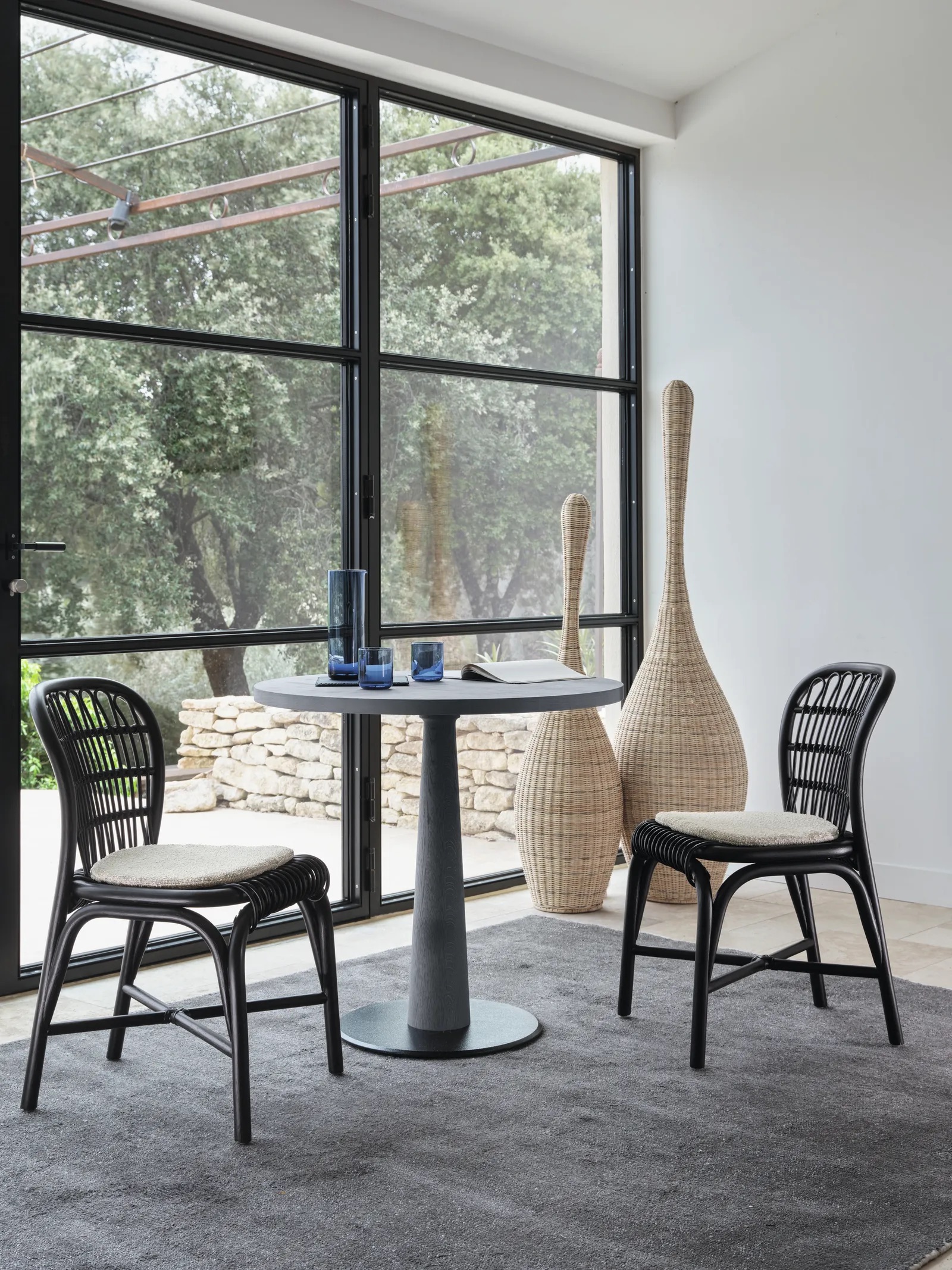
The boundaries between interior and exterior spaces have been dissolving in design for some time, but this year they were recalibrated once again: outdoor aesthetics have decisively moved into the interior. Materials such as rattan and wickerwork—traditionally associated with terraces, verandas, and the informal design language of the 1970s—are now appearing in more refined, precise executions. The Italian furniture manufacturer Minotti, for example, presented the “Elas” family, a series in which a distinctive woven shell unites a bergère, armchair, and stool. At Gervasoni, meanwhile, the armchair “R 513,” originally designed by Vico Magistretti, was reissued—this time with a clear, vertical structure that merges the backrest and armrest into a single gesture. Concetta Giannangeli’s “Santé” chair draws on the archetypal form of the French bistro chair and translates it into a contemporary design language of fluidly shaped rattan.
Other brands are also pushing these boundaries: Poliform, with “Auguste” by Jean-Marie Massaud, presents a reinterpretation of the director’s chair in metal and straw rope, while B&B Italia, with “Alvar” by Antonio Citterio, rethinks the classic woven garden chair using woven cork. At the same time, bamboo—particularly in lighting—has come into focus: Gupica’s “Bambù” collection for Besana Carpet Lab combines raw materiality with precise craftsmanship, while Massimo Rigaglia develops softly curved lighting forms from finely cut bamboo strips in “Lights in Tension (L/T).”
This development is also evident in furniture and architecture: Porro expands Piero Lissoni’s “HT System” with a version featuring dark-stained midollino (rattan). Neri & Hu, on the other hand, translate the principle of bamboo weaving into a ceramic motif for Mutina. Beyond individual products, this approach also shaped numerous installations. Thai artists Korakot Aromdee and Vassana Saima created a poetic setting made of rattan and bamboo, inspired by the gardens of Christian Dior’s childhood.
Milan Design Week 2026 thus revealed a clear shift: what was once informal is being subtly adapted and refined—and what once seemed reserved for outdoor spaces has long since found its way indoors.

Katia Contreras, Head of Editorial Content, AD Mexico
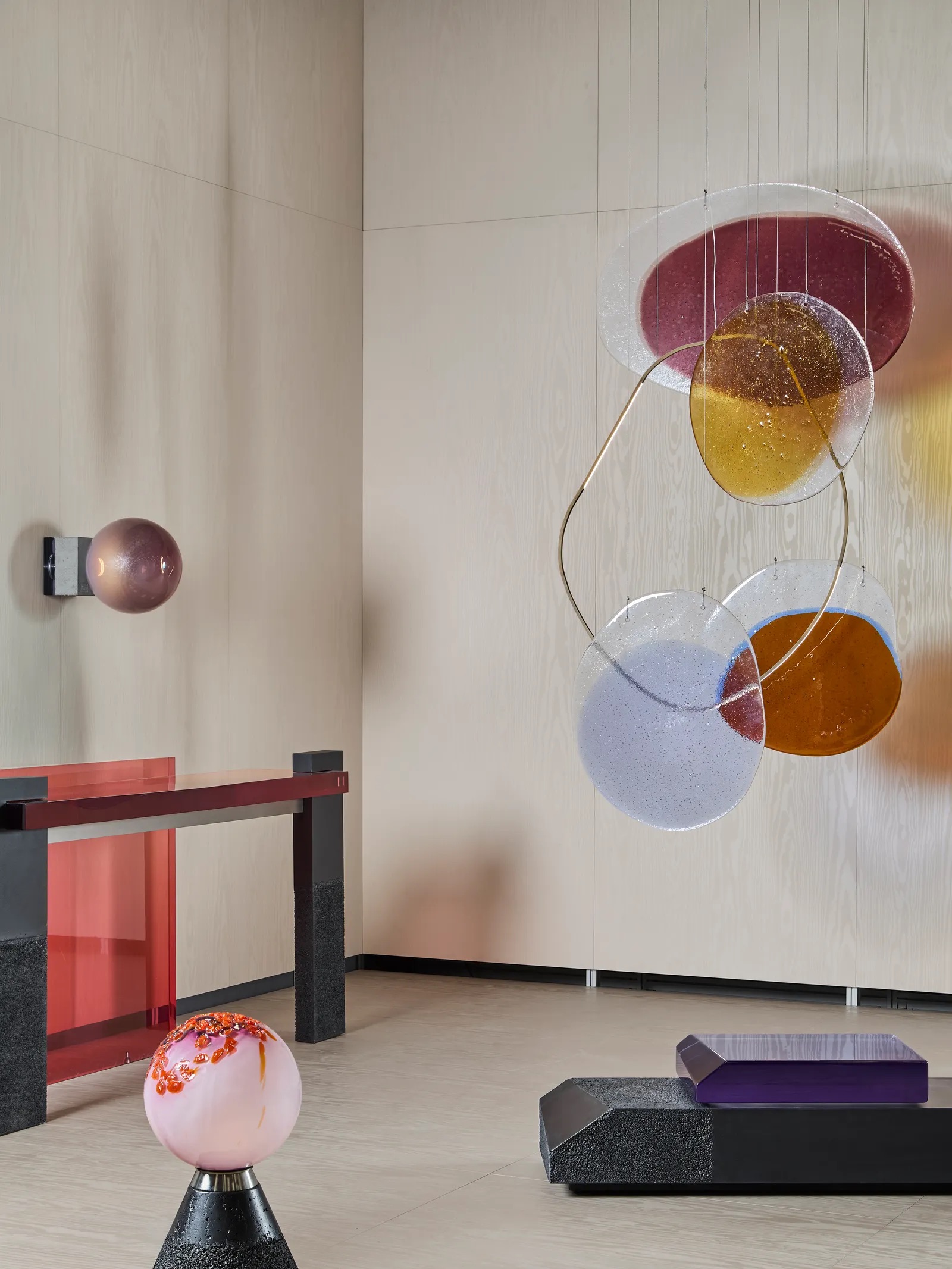
Glass proves to be one of the most fascinating materials in the world of contemporary design in 2026. It has long since ceased to appear merely as a material; instead, it emerges as a living medium that not only reflects light but also seems to carry it within. Every irregularity preserves the trace of the artisanal process and tells of heat, transformation, and the time from which it originated. This is particularly evident in the reinterpretation of mouth-blown glass, especially from Murano. Studio 6:AM presented glass cubes—originally developed for Bottega Veneta’s runway—that unfold their own visual language through repetition without losing their individuality. In the “Corolle” lamps by Noé Duchaufour-Lawrance for Dior Maison, glass becomes a choreography of light and shadow. Barovier & Toso, under the direction of Luca Nichetto, balances tradition and modernity in calm, precise forms. Between the experimental works of Draga & Aurel for Salviati, the almost organically shaped lighting objects by Christian Pellizzari, and the recycled glass designs by Gallotti & Radice, the full range of the material becomes apparent. Glass is thus less a trend than a realm of possibilities in which technique, imperfection, and poetry converge.