Project


Honor’s Shenzhen flagship repositions retail as an environment shaped by interaction,
framing AI-enhanced living spaces as everyday settings where technology integrates seamlessly rather than standing apart as a distant innovation.
PROJECT ANALYSIS
For Honor, retail is not just about products, but about the experiences built around them. Rather than pushing consumers into a rapid cycle of consumption, the space encourages them to slow down. Designed by Honor’s in-house retail design studio, the flagship explores a dialogue between technology, nature and human-centered experience. Consistent with the studio’s previous retail designs, the Shenzhen flagship store is also conceived around interaction, positioning engagement as a central component of the spatial experience.
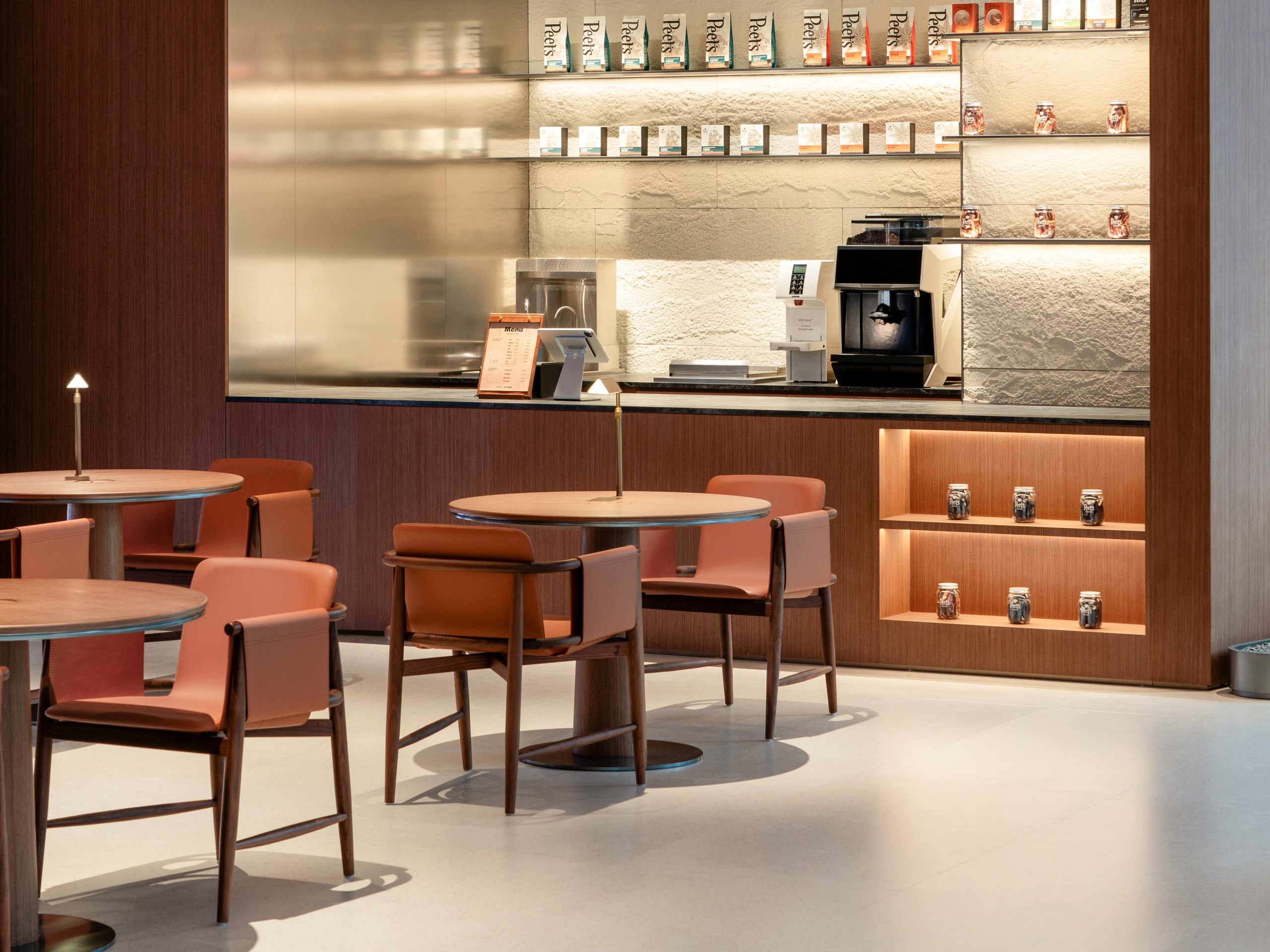
This project transforms retail from a short-term point of contact into an interior experience designed for spending time. The lounge, café and bar enable product interaction as part of everyday life, with tablet-supported bar areas allowing visitors to engage with products in a domestic setting. These areas invite visitors to step out of the role of a consumer and form a more sustained relationship with both space and technology. Ultimately, the store moves beyond product testing, translating how technology integrates into everyday life into a spatial narrative.
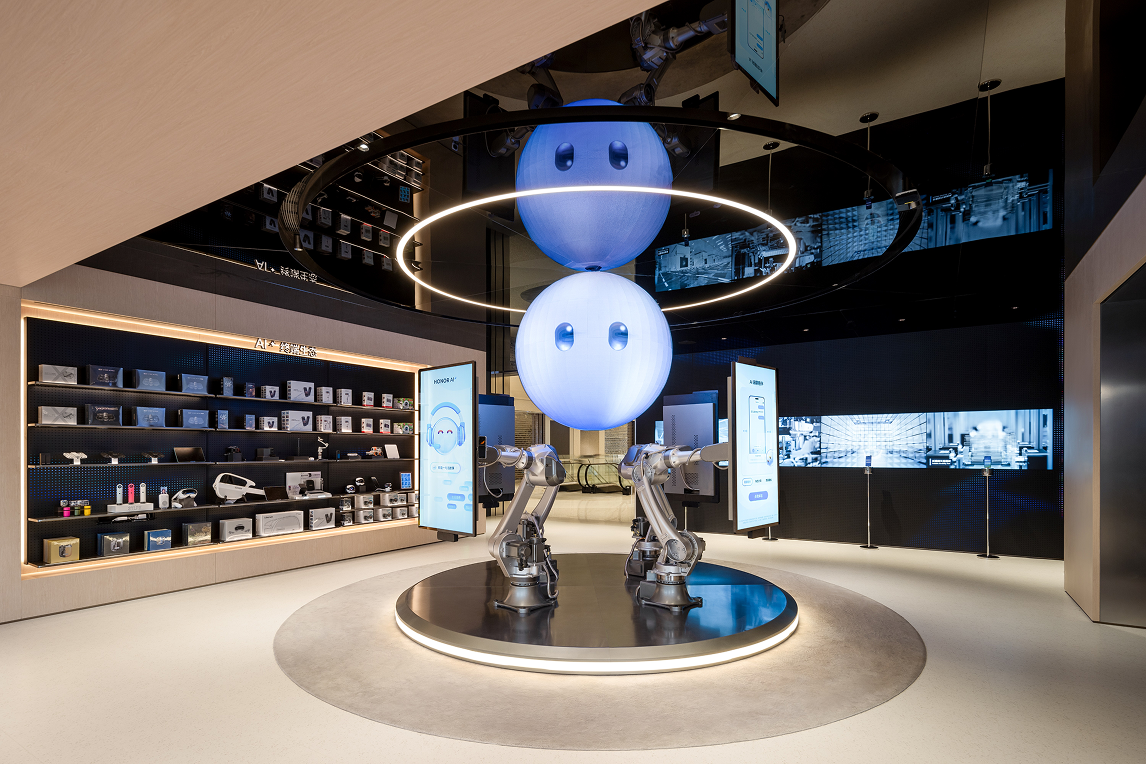
In the virtual reality room, visitors become active users of the product. Large-scale screens and robotic installations transform technology into a physical and spatial encounter, positioning the store less as a showroom and more as an entry point into a digitally constructed environment. Immersive VR spaces reinforce this transition, evoking the sensation of stepping into a parallel digital layer embedded within everyday life. In this context, technology is framed not as a distant innovation, but as an adaptive system that coexists with human behaviour.
KEY FEATURES
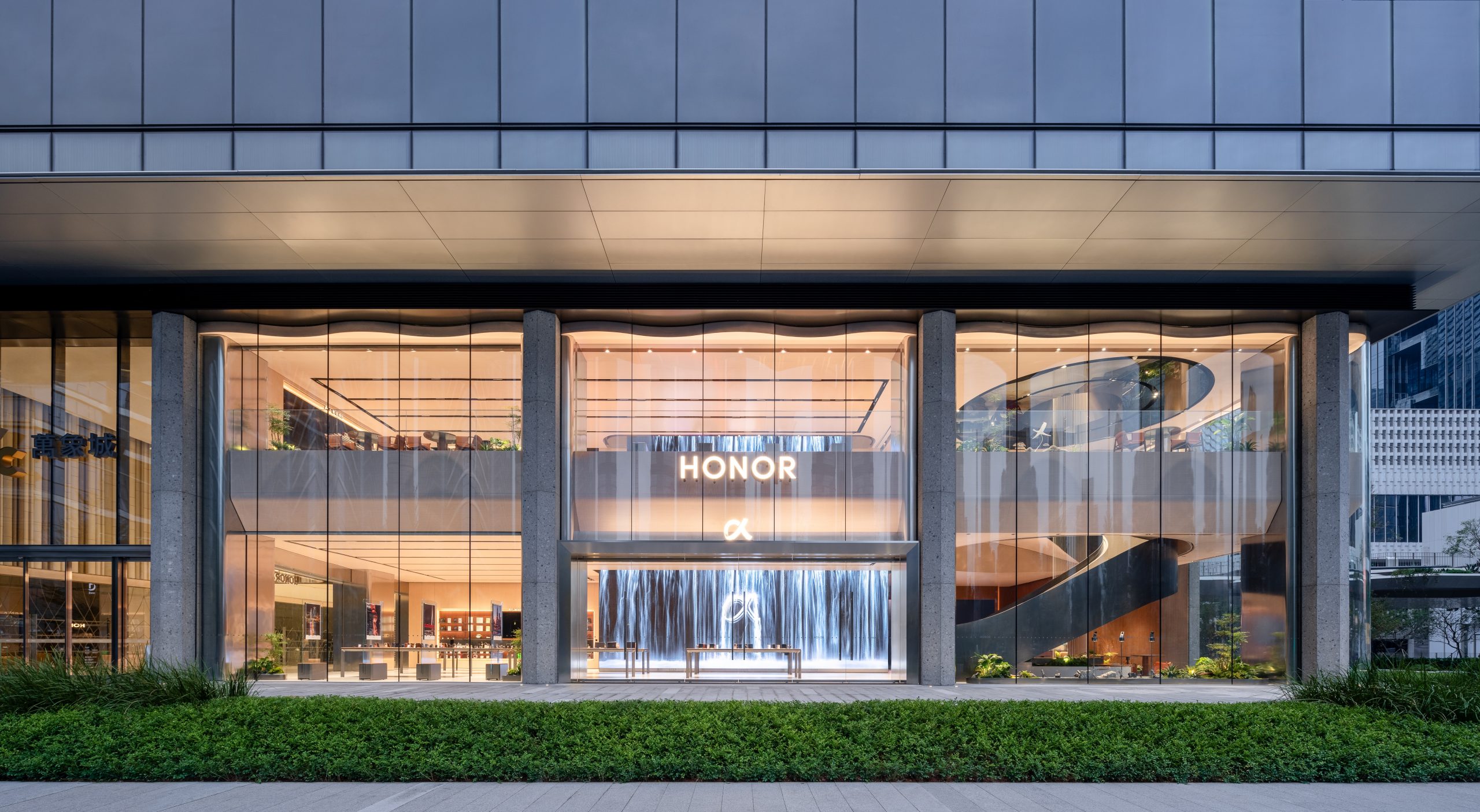
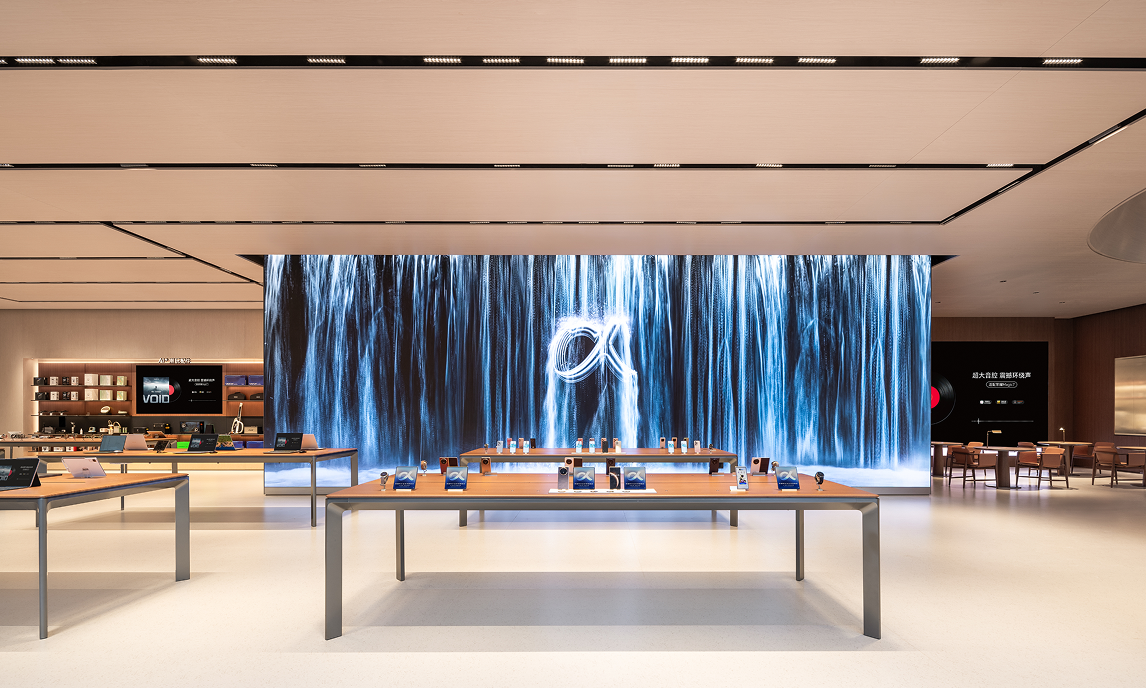
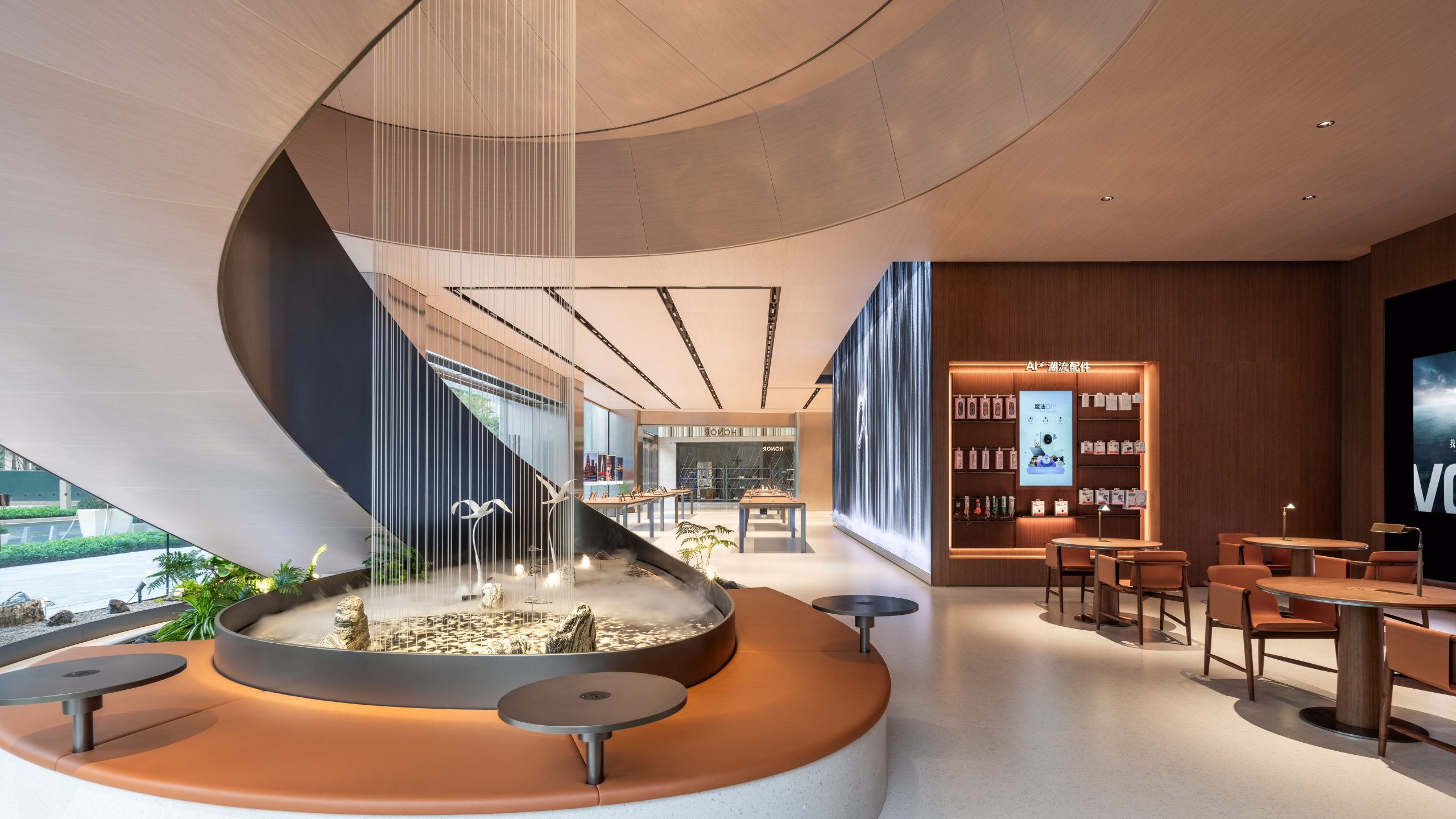
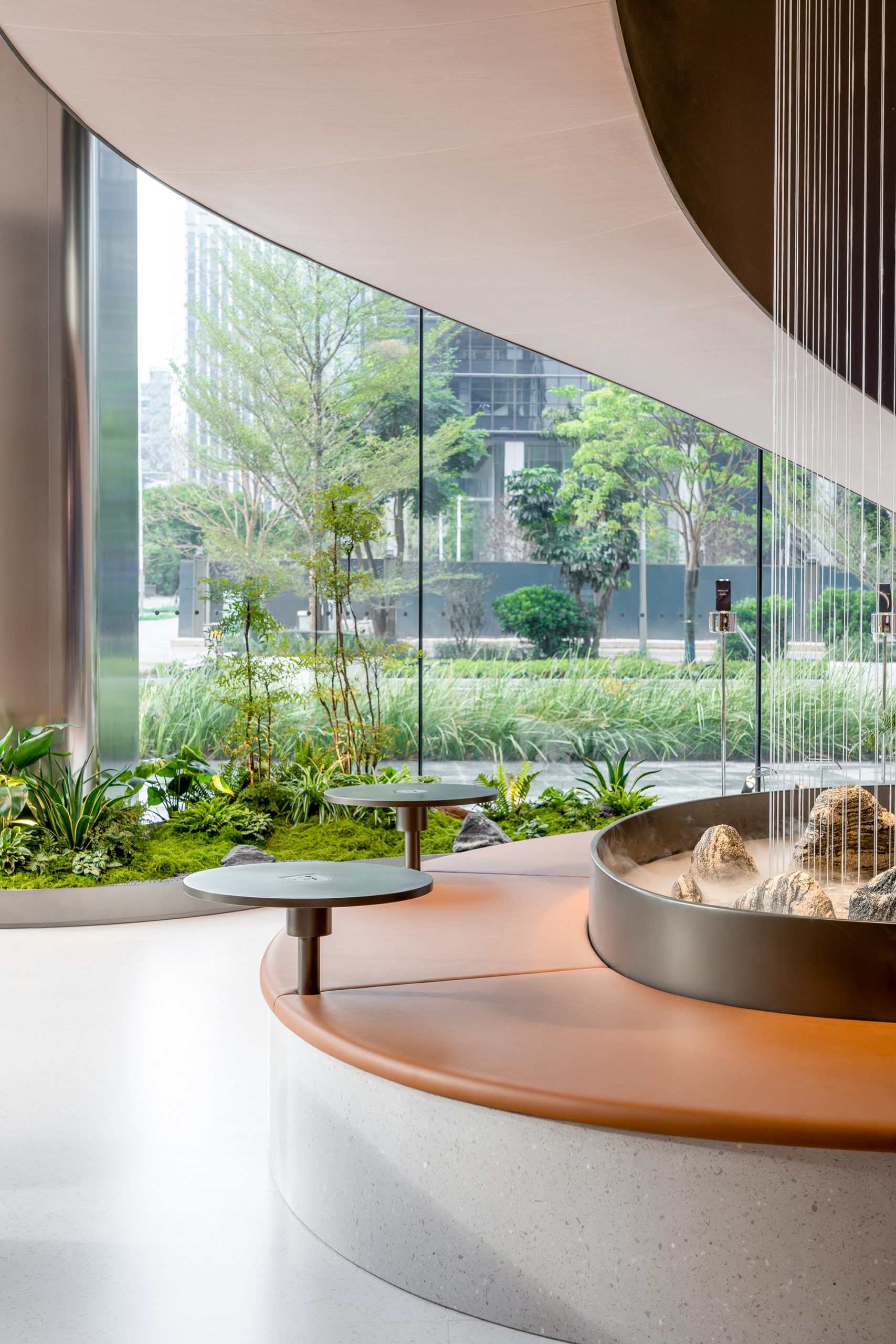
The store welcomes visitors with a fully transparent glass façade, inviting passers-by to visually engage with the space before even stepping inside. Upon entering the store, a 45-square meter immersive screen brings together flowing water imagery and the Honor logo, establishing one of the space’s primary focal points. On one side of the screen, the brand’s signature products are carefully arranged to present the brands’ holistic vision of smart living, while on the other, a café invites visitors to sit, order and linger. Adjacent to the café, the store’s most striking feature unfolds as a waterfall installation reinforcing the project’s dialogue between technology and nature.
The waterfall flows through the organic spiral staircase, becoming a vertical element that connects the store’s levels. Upon reaching the first floor, visitors encounter spaces designed for hands-on engagement encouraging direct interaction with products. These spaces illustrate how AI integrates into daily life, dissolving the perceived gap between ‘high-tech’ innovation and everyday living. This approach is further reinforced through the Yoyo AI Agent experience zone – Yoyo is Honor’s AI agent designed as an everyday companion, translating artificial intelligence into intuitive, human-like interactions that support daily life, creativity and decision-making. Here, technology becomes an accessible, responsive companion rather than a distant showcase.
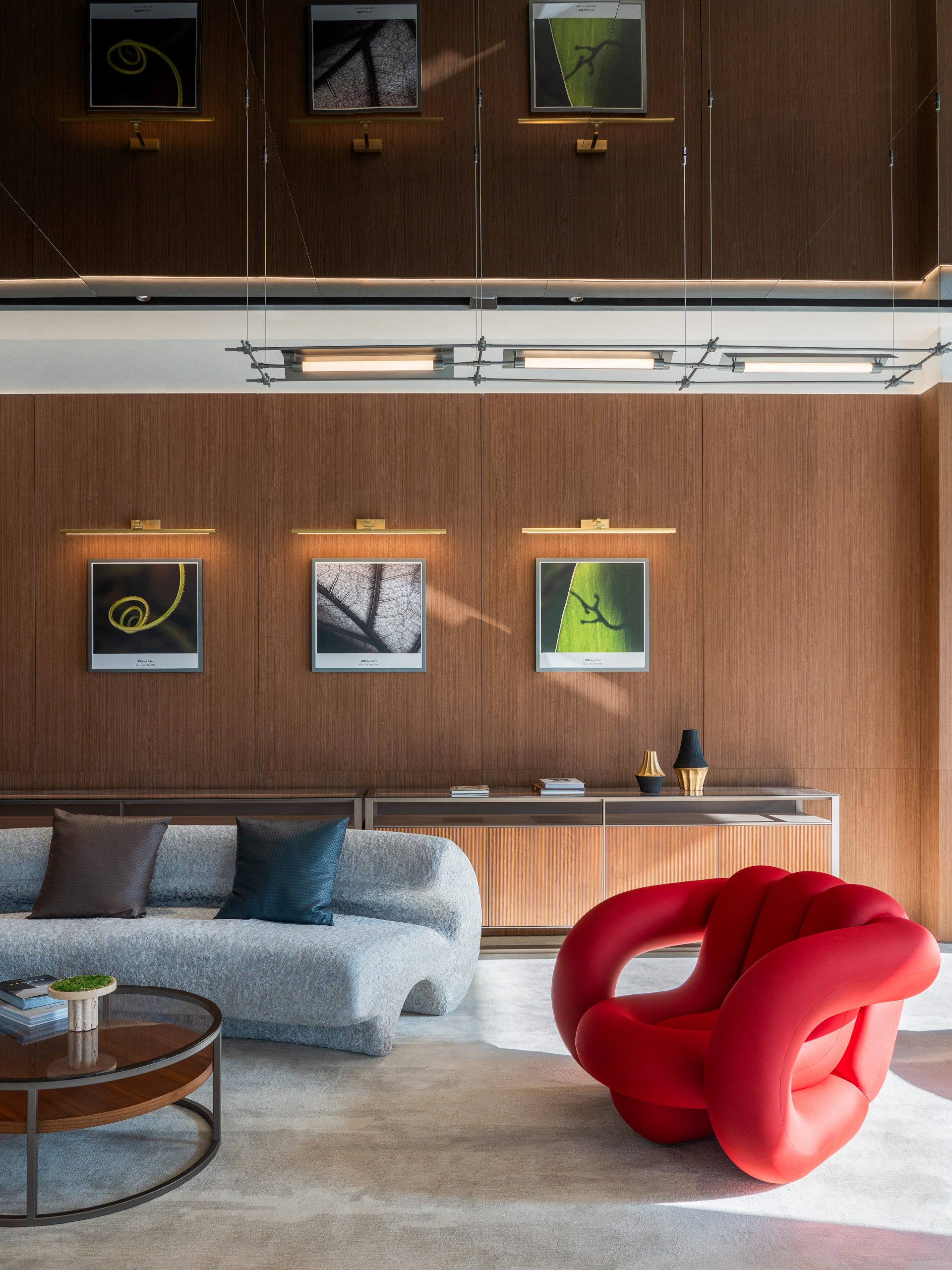
Alongside the AI Agent experience, the space also offers the AI Future Living area, where digital environments and large-scale displays translate artificial intelligence into everyday scenarios. Rather than isolating technology as a showcase, the spatial sequence integrates these experiences into the overall circulation of the store. This progression continues toward the second-floor lounge area, where social seating and informal settings extend the visit beyond product interaction, reinforcing the store’s role as a space for prolonged engagement.